
Starting a remodel is exciting. But the journey to an accurate quote begins with clear, upfront decisions. The more detail you provide, the more accurate your cost estimate will be, saving your time.
Understanding these six essential points ensures your initial consultation is productive and confident. This checklist will lead you to a successful remodeling project.
Key Takeaways
|
Prioritize Project Sequencing: What to Renovate First
You must sequence your renovations based on fixing the structure first. This strategic order protects your home’s foundation and maximizes your financial return. You must address vital infrastructure before spending money on new finishes. Before listing questions to ask the home remodeler, ask yourself a few questions.
For example, tackle old plumbing and electrical updates before installing new cabinets. Suppose your home assessment before remodeling suggests water issues. Ask a contractor about their water damage restoration experience before starting cosmetic work.

To prioritize correctly, I use these two methods:
The System-First Approach
Start your remodeling process checklist by fixing hidden systems first. Updating plumbing, electrical, and HVAC systems is non-negotiable for project longevity. Beyond that, making sure your home is sealed against the North Texas elements is equally important.
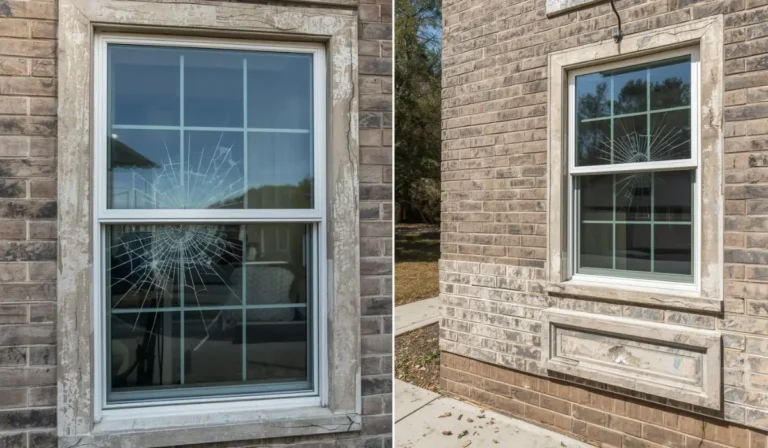
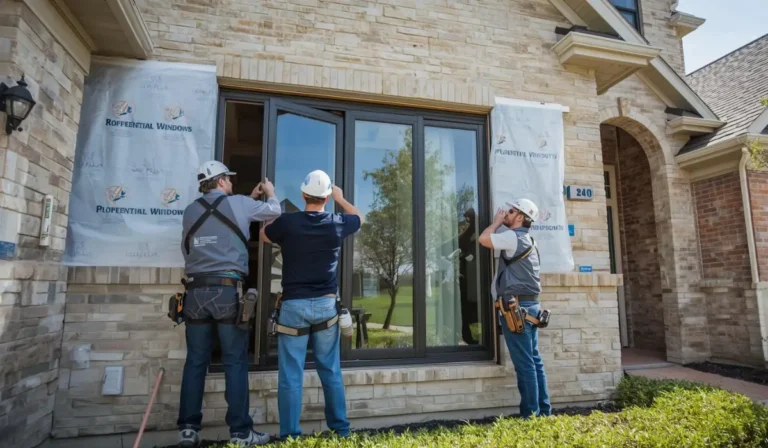
For example, finding a window installer is the best first step to address aging, leaky frames, etc. Then you can move on to invest in expensive interior finishes. These structural considerations address problem areas in the house first, ensuring future safety and reliable function.
Sequencing for Highest ROI
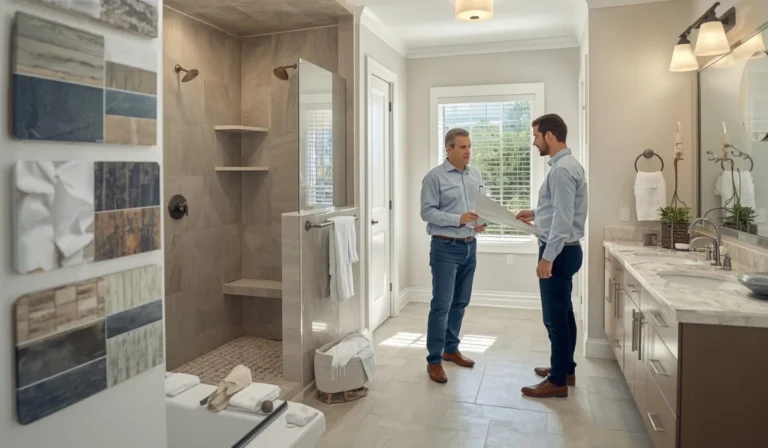
Focus on Kitchen renovations and bathroom remodeling for the best financial return. Once systems are sound, prioritize spaces known for high remodeling for resale vs personal use value. These are the high-impact remodel areas that deliver immediate value.
A minor kitchen remodel offers an impressive 96% return on investment. This strategic approach ensures your home remodeling essentials deliver lasting returns.
Define Your Vision and Project Scope
You must clearly define your project scope using specific goals and visuals before calling a contractor. A successful remodeling consultation requires a clearly defined scope of work document. This prevents guesswork and leads directly to your accurate quote.
For example, saying “I want a new kitchen” is vague; you need a defining remodel scope that specifies appliance placement and storage needs.
To achieve this clarity, you must complete three key steps:
Prioritize Needs vs. Wants: The Must-Haves
Create a list of must-have features separate from your wish list items. This exercise defines your non-negotiable remodeling priorities. Knowing your absolute functional needs allows the remodeler to focus their efforts. It also helps to produce a targeted remodeling cost estimate.
For instance, a must-have may be a large sink and durable countertops. A wish-list item may be a built-in coffee station.
Aligning Your Vision with a Design Professional
I recommend you consult a design professional before your first call to a remodeler for complex projects.
Aligning your vision with a design professional ensures your ideas are structurally and financially feasible. The designer provides the contractor with the exact as-built drawings they need for accurate pricing.
For example, a preliminary design-build consultation results in plans that eliminate major budget surprises during the remodel cost estimates phase.
Preliminary Selection of Long Lead-Time Items
Choose materials early to lock in your timeline and price. Keep these things in mind during preliminary selection:
- Select all major finish materials and fixtures early in the remodeling process checklist.
- Providing a list of fixtures and finishes helps the remodeler factor in long lead times for materials.
For instance, custom windows and specialty flooring services and materials often require months of lead time. You must have these selections ready for your initial consultation with the remodeler.
Establish a Firm and Realistic Budget
Define a specific, realistic renovation budget and secure financing early. Your remodel budget preparation is the most crucial step.
Budget transparency allows the contractor to customize the project scope clarity immediately. This ensures client–contractor alignment and prevents wasted time.
For example, give your contractor a clear range like $150,000–$175,000, not just “around $150,000.”
To secure your investment and project stability, you need three elements:
Setting the Budget Range
Research local remodel costs to establish a factual budget range awareness. Establish a clear, factual budget range you are willing to spend. This research prevents a vague plan that leads to inaccurate or unattainable quotes.
For instance, use local industry reports to verify the typical remodeling cost estimate for a kitchen in your area.
Secure Your Funding with Financing Pre-Approval
Get remodel financing awareness and pre-approval before meeting the remodeler. Presenting pre-approved financing signals seriousness to the contractor.
This leads them to invest time in a detailed proposal and an accurate quote. However, this is a powerful financial safeguard for remodeling measures.
For example, present a letter of pre-approval for your construction loan during the first call to the remodeler meeting.
Non-Negotiable Contingency Fund
Allocate a remodel contingency fund specifically for unexpected costs. This fund manages unforeseen renovation expenses. It helps if there are hidden structural or electrical issues found during demolition.
Having a surprise cost buffer prevents the remodel project from stalling. As an expert, I generally recommend setting aside 15% to 20% of the total renovation budget for unexpected expenses. If you know about the HGTV effect, you know that the budgets you see on TV often exclude the real cost of labor, permits, and utilize heavily discounted materials. Always rely on local Texas quotes, not reality television, for your financial planning.
Organize Essential Documents and Visuals
Prepare all legal, structural, and visual documents to clarify your home’s needs and your vision. This preparation eliminates assumptions and saves weeks of preliminary research.
For example, provide current floor plans for remodeling and a visual Pinterest or Houzz inspiration board.

To successfully prepare for the legal and structural realities of the project, start with these steps:
Gathering House Plans and Permit History
Provide existing floor plans for remodeling. You can also provide any previous remodeling documents or as-built drawings.
Check local zoning information and confirm whether your project requires building permits. Knowing the early permit awareness status saves the remodeler weeks of preliminary research.
Creating the Visual Mood Board and As-Is Photos
Create a design inspiration gathering tool using photos and a mood board. Use visuals to clearly communicate complex design style preferences.
High-quality before photos and room measurements help the remodeler accurately price the work.
Verifying Homeowner Insurance Coverage
Verify your homeowner’s insurance coverage includes proper owner liability for the construction phase.
These fundamental financial safeguards for the remodeling step protect your investment. Ensure your policy covers accidents involving workers on your property.
For instance, confirm your policy covers extensive structural work or damage claims. It is particularly vital for major projects or if you face fire damage restoration.
The Contractor Vetting and Communication Process
Focus your contractor interview prep on establishing clear communication and trust.
Vetting ensures client–contractor alignment and sets up a clear structure for managing the remodel project. This prevents confusion once construction begins.
For example, prepare specific remodeler questions to ask about project history and references.
To make the communication process smoother, follow these steps:
Defining the Single Point of Contact (SPOC) and Platform
Define the single point of contact and the project management tools for remodeling upfront.
Ask about their preferred methods for communication with contractors. This ensures consistent information flow and avoids costly miscommunications.
Screening for Red Flags
Look for transparency in payment schedules and clarity on the remodeling contract terms and conditions.
Red flags often involve a lack of clarity on the remodel payment schedule or giving a firm remodel cost estimate without a detailed home assessment before remodeling. Trust your instinct.
For example, be wary of a contractor who cannot clearly define change order procedures before the contract is signed.
Understanding Contract and Warranty Terms
Knowing the remodeling contract terms and conditions protects your financial safeguards for remodeling. Clarify how the punch list for remodel completion and final payment works.
For instance, confirm the duration of the contractor’s workmanship warranty and the manufacturer’s warranty on materials.
Final Logistics and Emotional Readiness
Prepare your home physically and prepare your family mentally for the unavoidable disruption.
Your home remodeling preparation must extend to managing the physical and emotional impact of the work.
For example, set up temporary cooking arrangements and designate safe areas for living.
Follow these steps just before calling the remodeler:
The Day-Before Prep
The first visit preparation steps require physically preparing the house for renovation. Clearing the remodeling areas ensures the team can start immediately and safely.
Clear the work areas and establish clear access routes for the remodeling team.
Empty all cabinetry and designate a safe material staging for the construction area outside the main work zone.

Preparing for the Emotional Toll and Disruption
Stress management during home renovation is achievable through preparation. Discuss remodeling disruptions planning openly with your family and the remodeling team.
Acknowledge the emotional stress of remodeling and plan living arrangements during remodels. For example, setting realistic remodel expectations for noise and dirt helps manage renovation anxiety throughout the duration.
Ready to launch your Texas remodel with confidence? Contact Texas Pro Remodeling today.
Don’t risk budget chaos or unexpected delays; get ahead with a professional plan and vetted expertise. We have proudly transformed homes across the entire Texas region for years.
At Texas Pro Remodeling, we offer personalized consultations, detailed budgeting, and guaranteed project warranties. Call today to secure your priority spot and start building the confident, beautiful home you deserve!
Frequently Asked Questions (FAQs)
How long should a major home remodel realistically take?
I find that a major home remodel realistically takes between 3 to 12 months from the moment planning starts until the project is finished. The crucial planning phase often takes 4 to 8 weeks alone. Second, the actual construction phase typically requires an additional 8 to 24 weeks, depending on the structural changes or custom finishes.
Do I need an architect or interior designer before calling a remodeler?
Yes, for complex structural changes or custom designs, I always recommend you consult an architect or designer first.
How many remodelers should I interview and get quotes from?
I advise that you interview three different, reputable remodelers and obtain detailed, itemized quotes from each one. Interviewing three firms allows you to effectively compare their experience, their preferred communication styles, and the specific pricing structures they offer.
Should my family move out during the renovation, and if not, how do we manage daily life?
I suggest you only move out if the renovation is going to take longer than three months and if remodelers need to shut down your main areas, like your kitchen or only bathroom.