
You start planning a bathroom remodel. New tile, a modern shower, a better vanity. Then one question stops the project fast. Do you need a permit in Dallas? Skipping approval can lead to inspections, delays, or complications during a future home sale.
At Texas Pro Remodeling, we help homeowners understand which work requires approval and which does not. This guide explains the rules in simple terms so you can plan your bathroom remodel with confidence.
|
TL;DR In Dallas, a bathroom remodel permit is typically required when plumbing, electrical, or structural changes are involved, while cosmetic upgrades usually do not require approval. |
Which Bathroom Updates Do Not Need a Permit in Dallas?
Some bathroom upgrades focus only on appearance. These updates are often called cosmetic remodeling and usually do not require a permit.
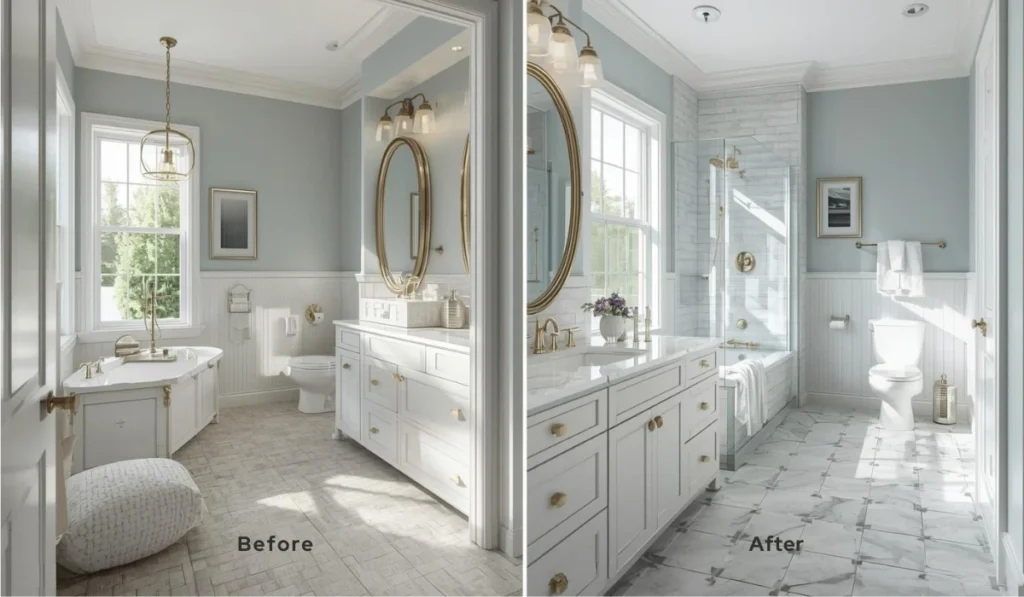
In many Dallas homes, cosmetic work improves the look of the bathroom without changing plumbing, wiring, or the structure of the room. Having the right plans for a smart bathroom remodel can assist you in selecting materials, layout ideas, and upgrades that suit your space.
Since the core systems remain unchanged, these minor upgrades can usually proceed without needing a city permit.
Common cosmetic updates include:
- Replacing tile or flooring
- Painting the walls or ceiling
- Updating trim or decorative finishes
- Replacing fixtures that connect to the same plumbing
When Is a Permit Required for a Bathroom Remodel in Dallas?
Some bathroom remodels go beyond cosmetic updates. These projects change the layout, plumbing, or structure of the space. When that happens, the City of Dallas usually requires a permit before the work begins.
A permit helps the city confirm that the remodel follows local building codes and allows inspectors to review key stages of the project. Taking care of permits and inspections is one of the important steps in any successful home remodel, helping ensure the project is safe, compliant, and built to last.
Bathroom remodels that often require a permit include:
- Moving plumbing lines
- Modifying walls or framing
- Changing the location of major fixtures
- Adding new electrical or ventilation systems
Moving a Bathroom Wall
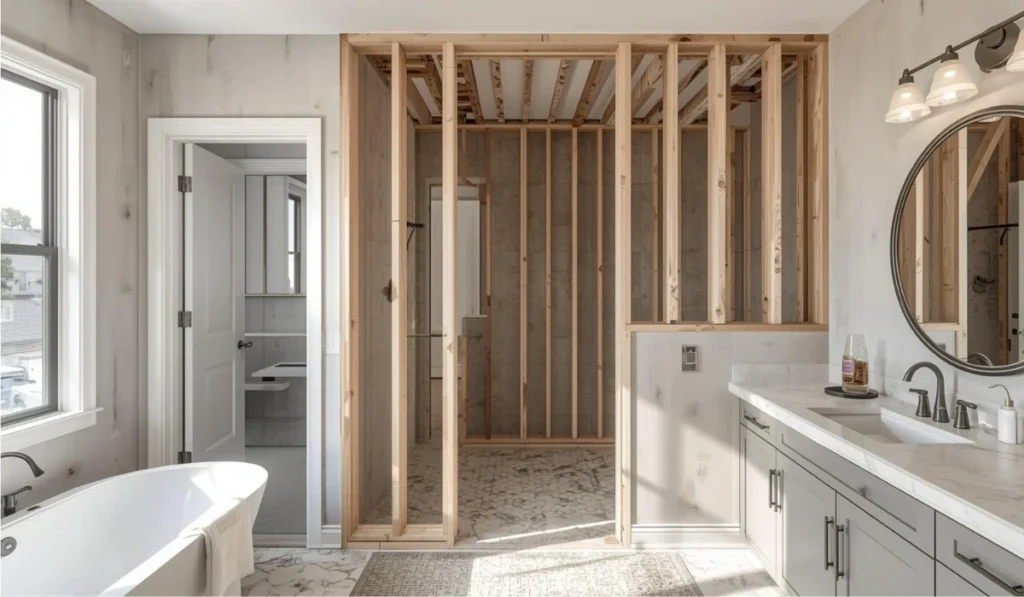
Moving a bathroom wall almost always requires a permit.
Even a small wall adjustment can affect the structure of the home, the layout of the room, or the location of plumbing and electrical lines. Because of that, the city usually requires a building permit and inspections.
For example, a permit is typically required when you:
- Expand the bathroom into another room or closet
- Shift a wall to create more shower space
- Change the overall layout of the bathroom
These changes affect the structure and layout of the home, which is why the city reviews them before construction begins.
Tub-to-Shower Conversions
A tub-to-shower conversion often requires a permit because plumbing connections may change.
Many Dallas homeowners replace an old bathtub with a walk-in shower. This upgrade improves comfort and modernizes the bathroom.
A permit is usually required when the project involves:
- Installing a new shower pan
- Adjusting water supply lines
- Modifying the shower valve or drain connection
Even when the new shower sits in the same area as the old tub, plumbing adjustments behind the wall can trigger permit requirements.
Relocating a Shower Drain
Moving a shower drain almost always requires a plumbing permit.
The drain connects to the home’s main plumbing system. When the drain location changes, plumbers must modify the pipes below the floor and confirm the correct slope for drainage.
Common situations that require a permit include:
- Installing a larger walk-in shower
- Changing the shower layout
- Moving the drain to the center of a new shower pan
Because this work affects the plumbing system under the floor, the city requires inspection to confirm that the installation meets code.
Do Plumbing Changes Require a Permit in Dallas?
In Dallas, the key factor is whether the plumbing rough-in stays the same. The rough-in refers to the hidden pipes inside the wall and floor that connect sinks, toilets, and showers to the main plumbing system.
Small fixture upgrades may move forward without permits. However, once plumbing lines change, the city usually requires a plumbing trade permit.
If the Plumbing Rough-In Stays the Same
You don’t need permits if the plumbing setup remains the same.
In many bathroom updates, the plumbing connections remain in the same location. When the rough-in stays the same, the work often counts as a simple fixture replacement.
Examples may include:
- Installing a new sink on the same supply lines
- Replacing a toilet in the same location
- Upgrading a vanity that connects to existing plumbing
These updates keep the original drain and water lines in place, so permits are often not required.
When Plumbing Trade Permits Are Required
A plumbing permit is usually required when a remodel changes the plumbing system behind the walls or under the floor.
Common examples include:
- Moving a toilet to a new location
- Relocating a sink or vanity
- Installing a new shower drain
- Modifying water supply lines
- Changing the drain configuration
These changes alter the plumbing layout of the home. Because of that, the city requires inspection to confirm that the installation follows plumbing code.
At Texas Pro Remodeling, our licensed plumbers typically handle these permits as part of the remodeling project.
Do Bathroom Electrical Updates Require a Permit?
In Dallas, electrical work may require a permit when the project adds new wiring or modifies existing circuits.
Minor fixture replacements may move forward without permits. However, once electrical systems change, the city usually requires an electrical trade permit.
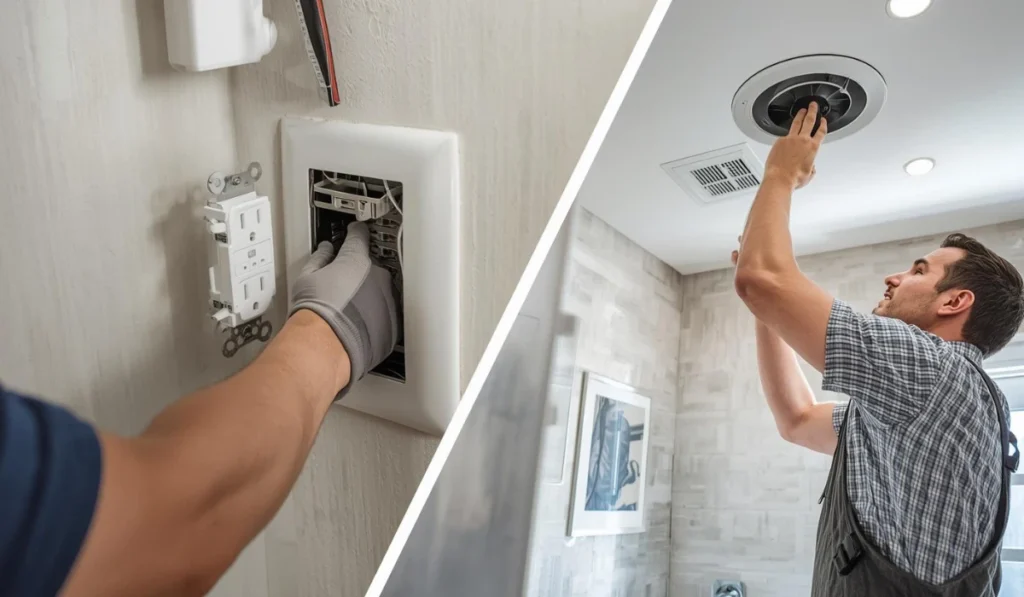
Adding a GFCI Outlet
Bathrooms require GFCI outlets to protect against electrical shock near water.
Adding a new GFCI outlet often requires an electrical permit because the work may involve:
- Installing new wiring
- Connecting to a circuit
- Updating electrical protection
A licensed electrician usually performs this work and schedules the required inspection.
Replacing a Bathroom Exhaust Fan
Many homeowners replace older bathroom fans to improve ventilation and moisture control.
If the new fan connects to the existing wiring and duct location, the project may not require a permit.
However, permits are often required when the upgrade includes:
- Installing new wiring
- Adding a new wall switch
- Changing the ventilation duct
- Venting the fan to the exterior
These changes affect the electrical or mechanical system of the home, which is why the city may require inspection.
Building Permit vs Trade Permit: What’s the Difference in Dallas?
When planning a bathroom remodel in Dallas, you may hear about building permits and trade permits. These two permits serve different purposes during a remodeling project.
A building permit covers the overall construction work. It applies when a project changes the structure or layout of a space. For example, moving a wall or expanding a bathroom usually requires a building permit.
A trade permit, on the other hand, applies to specific systems inside the home. These permits focus on specialized work performed by licensed professionals.
Common trade permits during a bathroom remodel include:
- Plumbing permits for moving drains, water lines, or fixtures
- Electrical permits for new wiring, outlets, or lighting
- Mechanical permits for ventilation systems, such as exhaust fans
In many remodeling projects, both permits are used together. The building permit covers the main construction work. Trade permits cover specific systems such as electrical, plumbing, or HVAC to make sure they follow Dallas building codes.
Because of this, there may be several inspections during the remodel. Each inspection checks a different part of the project to make sure everything is safe and meets the required rules.
Can a Homeowner Pull a Bathroom Remodel Permit in Dallas?
Many homeowners ask if they can apply for a permit themselves instead of hiring a contractor to handle it.
In Dallas, homeowners can sometimes pull a permit for work on their own primary residence. This option is often called a homeowner permit.
However, this option usually comes with conditions. The homeowner must take responsibility for the project and confirm that the work follows local building codes.
Homeowners who pull their own permit typically handle tasks such as:
- Submitting the permit application
- Scheduling inspections
- Confirming that work meets code requirements
Because bathroom remodels often involve plumbing, electrical, and ventilation systems, many homeowners choose to work with licensed contractors who manage the permit process and inspections.
Doing Your Own Electrical Work
Electrical work in bathrooms involves strict safety rules because water and electricity exist in the same space.
In many cases, electrical work requires a licensed electrician and an electrical trade permit. This includes projects such as:
- Adding new wiring
- Installing new circuits
- Upgrading outlets or lighting
Even when a homeowner pulls a permit, electrical work must still meet the Dallas electrical code and pass inspection.
For this reason, many remodeling projects rely on licensed professionals to complete electrical upgrades safely.
How to Apply for a Bathroom Remodel Permit in Dallas
Bathroom remodel permit applications in Dallas are usually submitted through the Dallas Now permit portal. This system allows homeowners and contractors to apply for residential permits and schedule inspections.
Before you start your application, it helps to understand the timeline and starting point of your bathroom remodel, especially when planning the project timeline and scope. Most permit applications require basic information about the project.
- Property address
- Project description
- Contractor information (if a contractor handles the work)
- Basic construction plans if the layout changes
After submission, the city reviews the application to confirm that the project follows Dallas building codes.
Many homeowners allow their remodeling contractor to handle the permit process. Contractors often manage the application, documentation, and inspection scheduling as part of the project.
How Long Does a Bathroom Permit Take in Dallas?
Permit timelines can vary depending on the type of remodeling work.
Simple projects that do not involve structural changes often move through the review process faster. More complex remodels that change walls, plumbing, or electrical systems may require additional plan review.
In many Dallas remodeling projects:
- Simple permit approvals may take a few business days
- Projects with layout changes may take longer due to plan review
- Inspection scheduling can add additional time during construction
Planning for the permit timeline early helps prevent delays once the remodeling project begins.
How Much Does a Bathroom Remodel Permit Cost?
Permit costs depend on the scope of the remodeling project. Larger projects usually require more permits and inspections.
Bathroom remodel permits in Dallas may include fees related to:
- Building permits for layout changes
- Plumbing trade permits
- Electrical trade permits
- Mechanical permits for ventilation systems
The final permit cost usually reflects the type of work involved and the number of inspections required.
Because every remodel is different, contractors often review the project scope first before estimating permit costs.
What Inspections Happen During a Bathroom Remodel?
Permits allow the city to inspect key stages of the remodeling project to confirm that construction follows local building and safety codes.
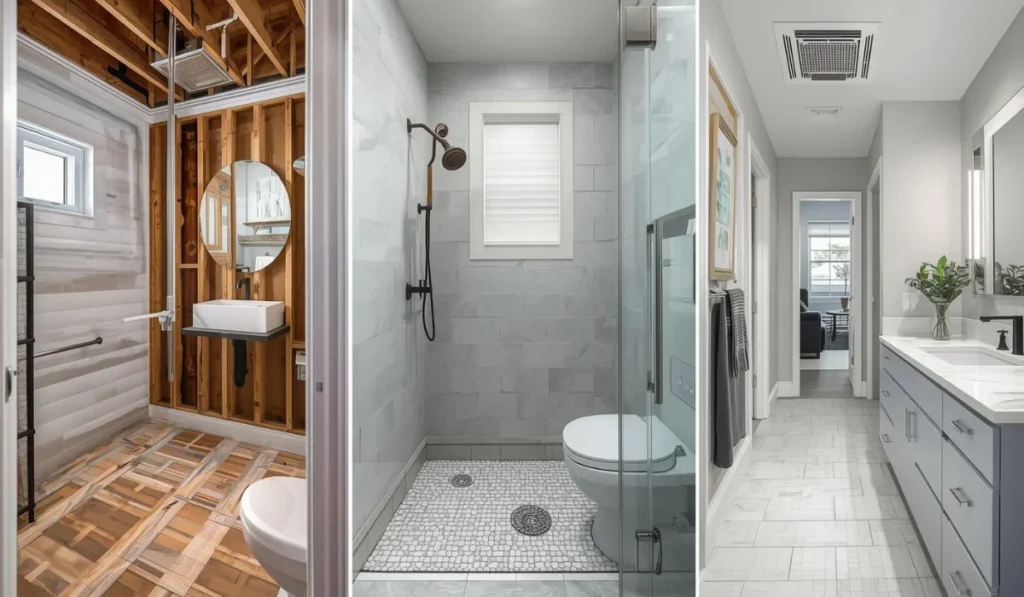
During a bathroom remodel, inspectors may review different stages of the work.
Common inspection stages include:
- Plumbing rough-in inspection
- Electrical rough-in inspection
- Mechanical inspection for ventilation systems
These inspections happen before walls and finishes close the work area so inspectors can confirm that pipes, wiring, and ventilation systems meet code requirements.
Final Inspection Requirements
The final inspection takes place after the bathroom remodel is complete.
During this inspection, the city confirms that:
- Fixtures are installed correctly
- Electrical outlets and lighting meet safety rules
- Plumbing connections work properly
- Ventilation systems operate correctly
Once the final inspection passes, the permitted remodeling work is officially complete.
What Happens If You Remodel Without a Permit?
Unpermitted work can create problems later. The City of Dallas may issue penalties if construction occurs without the required permit.
Potential issues include:
- Stop-work orders during construction
- Fines or additional permit fees
- Required inspections after the work is already finished
Resale Problems With Unpermitted Work
Unpermitted remodeling can also create issues when selling a home.
Home inspections and buyer disclosures often reveal remodeling work that did not go through the permit process.
This can lead to:
- Buyer concerns about code compliance
- Delays during the sale process
- Requests for additional inspections or repairs
For this reason, many homeowners choose permitted remodeling projects to avoid complications later.
Conclusion
Understanding when a permit is required helps you avoid delays, penalties, and problems during a future home sale. If you plan a bathroom remodel in Dallas, working with experienced professionals can simplify the process.
At Texas Pro Remodeling, our team helps homeowners handle permits, inspections, and construction so projects move smoothly from planning to final inspection.
FAQ
Do Bathroom Remodel Permits in Dallas Follow Specific Building Codes?
Yes. Bathroom remodel permits in Dallas must follow the Dallas Building Code along with national standards such as the International Plumbing Code and International Electrical Code. These codes ensure plumbing, electrical systems, and structural changes meet safety and construction requirements.
Do I Need a Licensed Contractor for a Bathroom Remodel Permit in Dallas?
In many cases, trade work such as plumbing or electrical installation must be completed by licensed professionals. Licensed plumbers and electricians handle the required trade permits and ensure the work meets Dallas building code requirements and inspection standards.
Do Bathroom Remodel Permits in Dallas Require Construction Plans?
Construction plans may be required when the remodel changes the layout, walls, plumbing lines, or electrical systems. During permit review, the City of Dallas may request drawings that show the proposed bathroom layout and system changes before approving the project.
Do I Need to Post a Permit at the Job Site During a Bathroom Remodel in Dallas?
Yes. When a permit is issued, the permit card usually must be available at the job site during construction. Inspectors may request to see the permit documentation when reviewing the project during scheduled inspections.
What Is a Master Permit in Dallas Remodeling Projects?
A master permit is sometimes used for larger remodeling projects that involve multiple systems, such as structural work, plumbing, and electrical upgrades. Under a master permit, the project may also include separate trade permits for each system that requires inspection.