I once watched a neighbor’s brand-new windows crack within a year. Because they followed national advice instead of Dallas-specific technical standards.
I always advise avoiding common window replacement mistakes in Dallas is to prioritize a low Solar Heat Gain Coefficient (SHGC). Also, I suggest ensuring your installation accounts for our expansive clay soil movement.
I know it is challenging to understand the technical issues that can lead to costly errors. That’s why I will share the hard-earned lessons I have learned from years in the North Texas home improvement industry.
|
TL;DR Avoid costly window failure in Dallas by prioritizing low SHGC ratings for heat and flexible installation techniques to handle shifting expansive clay soil. |
Understanding the Realities of Window Replacement in Dallas
Dallas is not just another stop on a national window tour. Our combination of extreme heat and shifting soil creates unique challenges. These are issues that standard, off-the-shelf advice simply does not cover. I have seen homeowners spend thousands on top-rated windows only to have them fail because they were not built for North Texas.
Heat gain and loss through windows account for roughly 25% to 30% of your home’s total heating and cooling energy consumption. This makes a window replacement one of the most impactful upgrades you can perform.
National Advice Fails in North Texas
National window standards focus on U-Factor (insulation). However, Dallas requires a low Solar Heat Gain Coefficient (SHGC) to block Radiant Heat. I once helped a neighbor who bought efficient windows rated for the Midwest.
Their AC still ran 24/7 because the glass did not stop the sun’s infrared rays from baking the living room. You need glass that acts like a mirror to the sun, not just a blanket for the cold. If you are looking for a remodel project that boosts value, then use the right model.
Managing Project Timeline
A typical Dallas window project in 2026 takes 8 to 12 weeks from the initial consultation to the final walkthrough.
I recommend starting your research in the winter. If you wait until the first May heatwave, the Supply Chain and Installation Schedule for local crews will already be backed up into late summer. You do not want to be stuck with a boarded-up window during a thunderstorm because of a parts delay.
The timeline is heavily influenced by manufacturing lead times for custom Low-E glass. These currently average 6 weeks before they even reach the DFW warehouse. I help you map out a realistic schedule so your installation happens before those peak summer electric bills arrive.
Soil Movement and Window Longevity
Dallas sits on Expansive Clay Soil that shifts as it dries. This movement can twist window frames and cause Seal Failure if they are not installed with proper expansion gaps.
I have inspected many stuck windows where the frame was forced out of squareness. Often, this happens simply because the house settled during a North Texas drought. You need an installation that breathes with the foundation of your home.
Soil in Dallas can change volume significantly based on moisture levels, often moving 5 to 15 feet deep. This makes flexible, high-quality installation materials a non-negotiable requirement.
Common Window Replacement Mistakes in Dallas
Making a mistake with your windows in Dallas can lead to years of high energy bills and drafty rooms. I have seen many homeowners overlook the technical details that matter most for our unique Texas environment.
1. Prioritizing the Lowest Estimate Over Long-Term Performance
Choosing the cheapest window often means sacrificing specialized coatings. These are the same coatings that prevent your home from heating up like an oven.
I once worked with a family who chose the lowest bid, only to find their west-facing rooms stayed at 80 degrees all summer. You save money upfront, but you pay for it every month in electricity costs.
Cheap windows often lack high-performance low-E glass and durable argon gas seals. These components are critical for keeping Dallas homes cool. I focus on high-efficiency options that actually lower your monthly overhead.
2. Falling for Same-Day High-Pressure Sales Tactics
Salespeople who demand a signature on the first visit often hide inflated prices. These are usually disguised as limited-time discounts. I always tell my clients that a good contractor respects their time to think. If a deal expires the moment the salesperson leaves your house, it was never a good deal for you.
The Federal Trade Commission (FTC) provides guidelines for consumer protection. These include a cooling-off rule that gives you three days to cancel most contracts signed in your home. I provide transparent, no-pressure consultations so you can make an informed decision when remodeling your home in DFW.
if you want that remodel to increase the value of your home then make sure to follow the standard.
3. Choosing an Insert Windows Instead of a Full-Frame Replacement
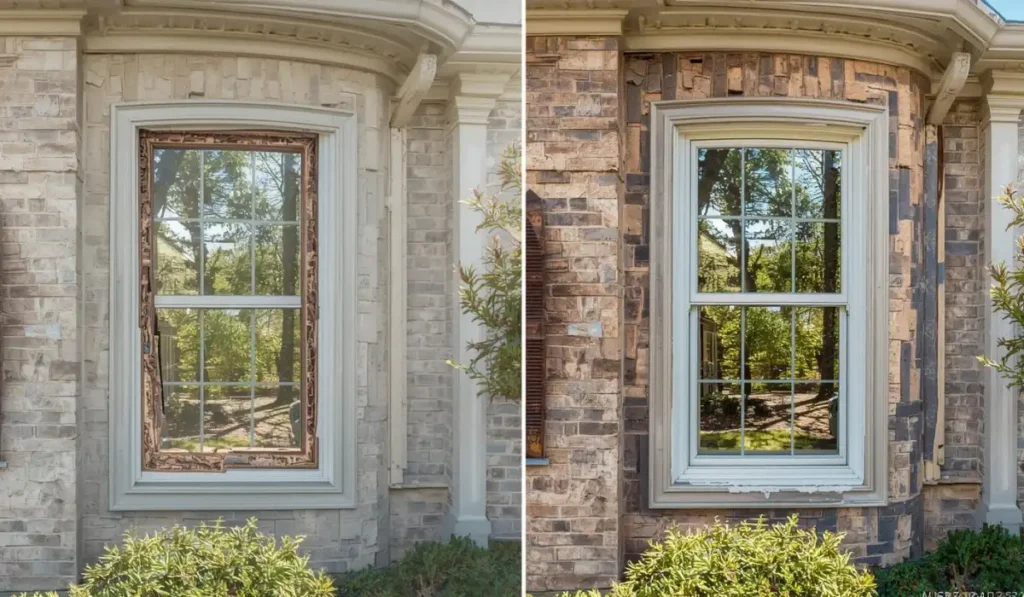
An insert window simply sits in your old frame, which can hide underlying rot and reduce your actual glass area.
I have pulled back old trim only to find wood rot that an insert window would have trapped inside the wall. You want a full-frame replacement if you suspect water has ever leaked around your windows.
A full-frame approach allows for better moisture management. This method also ensures the structural integrity of the opening is sound.
My team at Texas Pro Remodeling performs a deep inspection to ensure we are not just covering up a problem.
4. Hiring Unverified or Unregistered Contractors
Hiring an unregistered handyman for windows can leave you with no legal recourse and a failed city inspection.
I once had to fix a DIY install where the windows were not even fastened to the studs. You should always verify that your installer is authorized to pull permits in your specific city.
You can check the list of Registered Building Contractors at the Oak Cliff Municipal Center to ensure your pro is legitimate.
I maintain all necessary registrations and insurance to give you total peace of mind during the build.
5. Neglecting the Impact of Soil and Foundation Movement
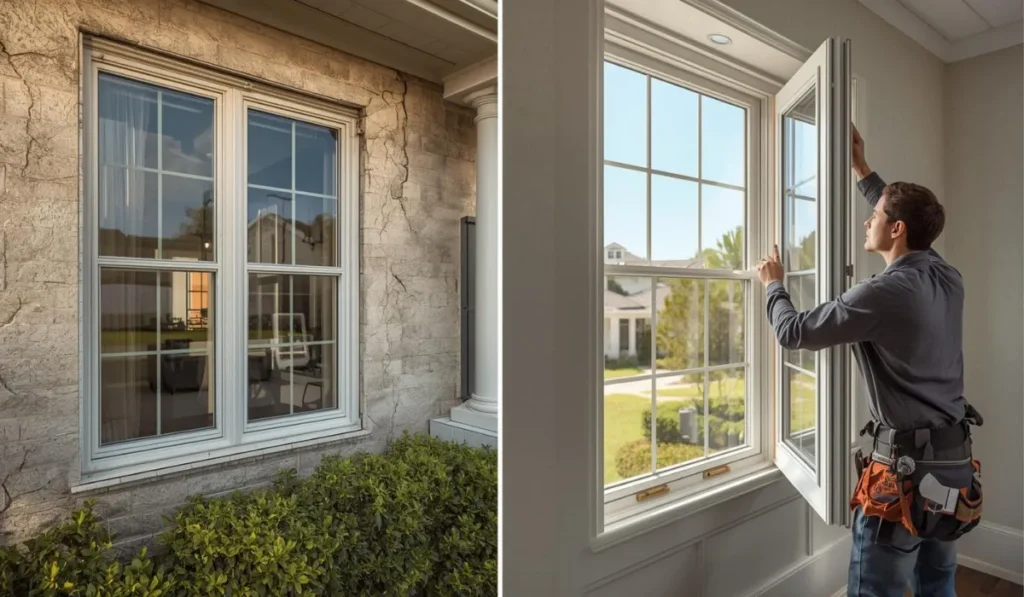
If your installer does not account for house settling, your new windows will eventually stick, leak, or crack.
I have seen frames warp because the installer did not leave enough room for the natural expansion/contraction of the house. You need a gap that allows the window to stay floating within the shifting wall.
Maintaining frame squareness is vital to prevent thermal bridging. This is a common issue where heat leaks through the gaps created by a twisted frame. I use specialized installation techniques that adapt to the shifting North Texas landscape.
How to Avoid The Window Replacement Mistakes and Protect Your Home?
Finding the right solution starts with moving past the sales pitch and focusing on the technical and financial facts. I have helped many Dallas homeowners turn a stressful renovation into a smooth upgrade. This is achieved by following a few simple, data-driven steps.
Comparing Quotes Properly
A professional DFW estimate must include a comprehensive scope of work and a detailed material breakdown. It must also provide a written labor warranty. I always tell my neighbors that if a quote is just a single number on a piece of paper, you should walk away.
You need to know exactly which window series is being installed and how the crew plans to protect your home during the process. List down some critical questions to ask before remodeling, to ensure you are not leaving your investment to chance.
A reliable quote in 2026 will clearly separate the cost of the windows from the labor and disposal fees. This transparency helps you verify that you are getting the high-efficiency glass you paid for.
Identifying When Full-Frame Replacement Is Required
You must use a full-frame replacement if there is any sign of wood rot, water damage, or structural shifting in the original window opening.
I have seen many quick-fix inserts fail because they were installed over rotted sills. By stripping the window back to the studs, I can install modern moisture barriers that an insert simply cannot accommodate.
Full-frame installations allow for the use of Sill Pans, Pan Flashing, and Backer Rods. These components are the last line of defense against the heavy North Texas rainstorms that can drive water into your walls.
I prioritize full-frame solutions whenever I find structural concerns. This ensures your new windows protect your home for decades.
Understanding Workmanship vs. Manufacturer Warranties
A manufacturer’s warranty covers the window parts. However, only a workmanship warranty covers the errors made during the actual installation.
I once met a homeowner whose windows leaked because of poor caulking. The manufacturer refused the claim because the product itself was not broken. You need a contractor who stands behind their labor just as much as the brand stands behind the glass.
Always look for the NFRC Label on your new windows to confirm their performance. Ensure your contract includes a warranty coverage period for labor, which is typically 2 to 10 years. This protects you against installation-related leaks or drafts.
High-quality window upgrades are among the most effective remodeling projects to boost home value. This remains true provided the installation is backed by a solid guarantee.
Securing Your 2026 Federal Tax Credit
To claim the 30% credit on IRS Form 5695, you must provide a unique 17-character PIN provided by the window manufacturer.
I noticed many people missed out on credits last year because they did not have the right paperwork. For 2026, the IRS has replaced the old 4-digit codes with a more secure system. You must get this code from your manufacturer before you file your taxes.
Under the current rules, you can claim up to $600 per year for windows. Through QMID Code verification, the IRS ensures your windows meet the most efficient standards required for the incentive. This process is essential for confirming eligibility.
I help my clients gather all the necessary documentation and QMID details. This allows them to maximize their tax savings without the headache.
The Dallas Window Replacement Checklist (Before, During, and After)
A successful window project in Dallas requires more than just picking a frame style. I have developed this checklist to help you navigate the 2026 local requirements. It ensures your installation survives the first North Texas summer storm.
Phase 1: The Pre-Sign Phase (Due Diligence and Verification)
Before signing any contract, you must verify the contractor’s Active status in the DallasNow portal. You must also confirm that the windows have a 17-character IRS PIN. I always tell my neighbors to ask for the manufacturer’s certification string upfront.
If they cannot provide a unique 17-character PIN, you will not be able to claim your 30% credit on IRS Form 5695 next year. Whether this project is a standalone update or part of a full home remodeling plan, verifying these documents early is key. It prevents legal and financial headaches later.
Phase 2: The Installation Phase (Protecting Your Home)
A professional installation must include interior floor protection. It should also include dust barriers for your HVAC vents.
Beyond debris, the technical precision of the install is vital. Research indicates that units installed without any visible defects can achieve air leakage rates nearly 46% lower than the average installation.
You want a crew that treats your living room like a clean room. This is especially true when dealing with the heavy winds we get in DFW, which can blow construction dust into every corner of your house.
Phase 3: The Post-Installation Phase (Testing and Operation)
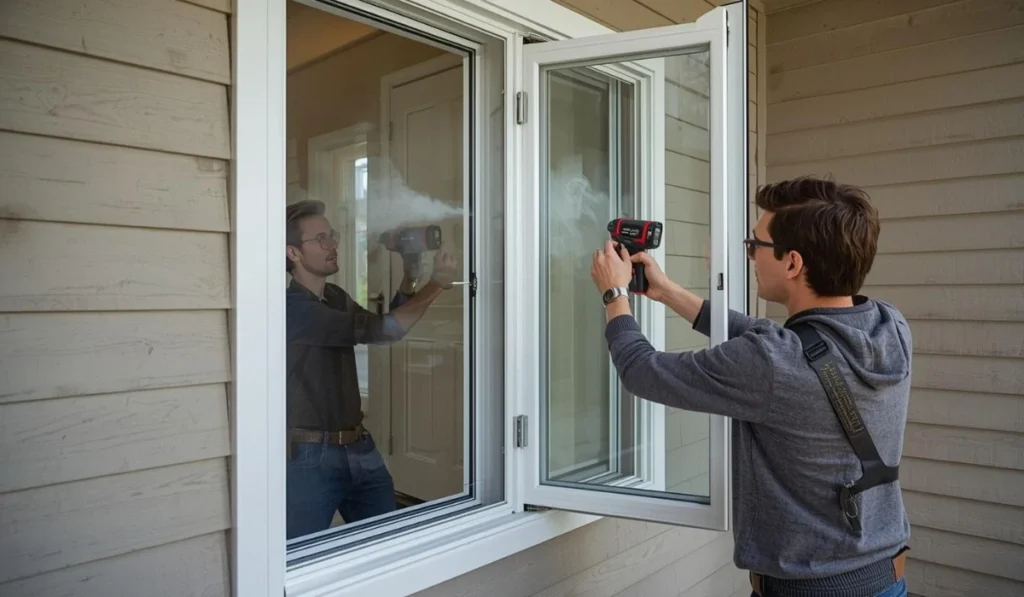
After the last screw is in, you must test every window for smooth operation. You should also use a thermal camera or smoke pen to check for air leaks around the perimeter.
I never consider a job finished until the homeowner can open every sash with a single finger. In Dallas, if a window is even slightly out of Frame Squareness, our high-pressure summer winds will whistle right through the gaps. You should also verify that the exterior caulking is continuous and gap-free.
Perform an operation test on every lock and tilt-latch. A window that sticks today will only get worse as the expansive clay soil under your home shifts during the next dry spell. I conduct a final 15-point inspection with you to ensure every seal is airtight and every frame is perfectly aligned.
Conclusion
Replacing windows in Dallas requires more than just picking a frame style. I discussed how focusing on SHGC ratings and navigating the Dallas. Now portal protects your investment. Accounting for shifting clay soil also safeguards your home from the North Texas heat.
When you prioritize local technical standards over national trends, you avoid expensive regrets. This approach ensures long-term comfort for your household. If you are ready to evaluate your home’s specific needs, Texas Pro Remodeling can help you start with a professional consultation.
Frequently Asked Questions
What Are The Specific Energy Metrics Required For The Texas Climate?
For the South-Central zone, target a Solar Heat Gain Coefficient (SHGC) of 0.23 or lower and a U-Factor of 0.28 or lower to block radiant heat.
How Do I Handle Window Replacement In Dallas Historic Districts?
Homeowners in areas such as M-Streets or Swiss Ave must obtain approval from the Dallas Landmark Commission. This ensures that frames comply with Historic Preservation codes.
Why Are My New Windows Still Letting In So Much Street Noise?
Standard windows do not reduce sound; for DFW highway noise, you need laminated glass or windows with high STC ratings.
How Do I Verify If My Dallas Contractor Is Actually Registered?
Visit the Oak Cliff Municipal Center website. From there, you can download the current .xls list of Registered Building Contractors authorized to work in the city.
What Is The Lead-Safe Rule For Older Dallas Homes?
For pre-1978 homes, contractors must follow the EPA Renovation, Repair, and Painting (RRP) Program. This is required to prevent toxic lead dust contamination.
How Can I Tell If My Windows Were Installed Incorrectly After The Crew Leaves?
Check for Visible Transmittance issues or sloppy perimeter seals. You can also check for high air leakage using a simple thermal imaging app or the smoke pen test.