
Glossy floors look polished and bright. Many homeowners in Dallas–Fort Worth notice they also feel slippery during daily use. Shine can change how a floor feels underfoot, even when the surface stays dry.
Choosing the right floor sheen affects comfort, safety, and upkeep. The finish you select shapes how your home feels every day, not just how it looks on install day.
At Texas Pro Remodeling, we help homeowners choose floor finishes that match real living. Floors should look good and feel steady in everyday homes.
Key Takeaways
|
Why Floors Feel Slippery in Daily Life
Floors feel slippery in daily life because glossy finishes reduce surface friction and hide texture through light reflection.
Normal daily activity quickly shows this. Turning corners, stopping suddenly, or walking fast can make high-shine floors feel smoother than expected. Bare feet or socks make it even more noticeable. This is one of the more common flooring problems Dallas homeowners run into, especially because of the humidity.
Kids, pets, and active movement add to the challenge. Running, sliding, or sudden direction changes put extra demand on traction.
Many homeowners find that their floors look great but don’t feel as steady as they hoped. Thinking about how floors perform in real life, not just in a showroom, helps keep them safe, comfortable, and practical every day.
What Floor Sheen Actually Means
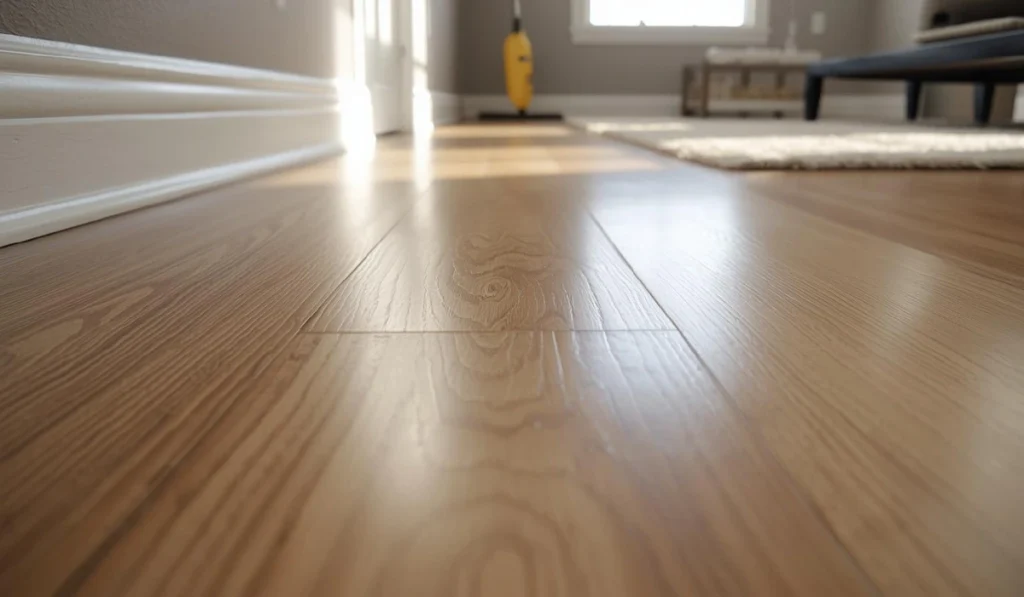
Sheen means how shiny a floor looks. It shows how much light the surface reflects, not how much grip it has. This is why a glossy floor can feel slick even when it’s completely dry.
Shine is only something you see. It does not tell you how slippery the floor will feel. Shiny floors reflect more light and look polished. On the other hand, low-sheen floors reflect less light and look softer.
In North Texas homes, the notorious humidity affects floors over time. Things like concrete slab foundations and cleaning habits can also change how a floor looks. These factors can make floors look dull, shiny in some spots, or uneven. From a remodeler’s standpoint, sheen regret is one of the most common issues we see after installation.
Floor Sheen Comparison for Everyday Homes
Floor sheen affects more than just appearance. It changes how your floors feel, move underfoot, and handle everyday wear.
| Floor Sheen | Appearance | Slip Risk | Cleaning Effort | Best Household Type |
| High Gloss | Bright and reflective with a showroom-style shine | Higher during quick movement, especially in socks | Shows dust, footprints, and streaks easily | Low-traffic areas or homes focused on visual impact |
| Semi-Gloss | Noticeable shine with less reflection than high gloss | Moderate for everyday walking | Needs regular cleaning to keep the finish even | Adult households with steady routines |
| Satin | Soft sheen with balanced light reflection | Comfortable and steady underfoot | Hides dust and smudges well | Family homes with kids, pets, and active spaces |
| Matte | Minimal shine with a natural look | Stable and predictable during movement | Low maintenance for daily living | High-traffic homes, play areas, and relaxed living spaces |
Most homeowners first notice slip risk and wear in hallways, kitchens, and entryways. That’s why satin and matte are often preferred after experiencing high-gloss floors in daily life.
When choosing a finish, think beyond shine. Notice where people walk fast, wear socks, or bring in moisture; those spots benefit most from a softer, lower-sheen finish.
Why Floors Feel Slippery After Mopping or Cleaning
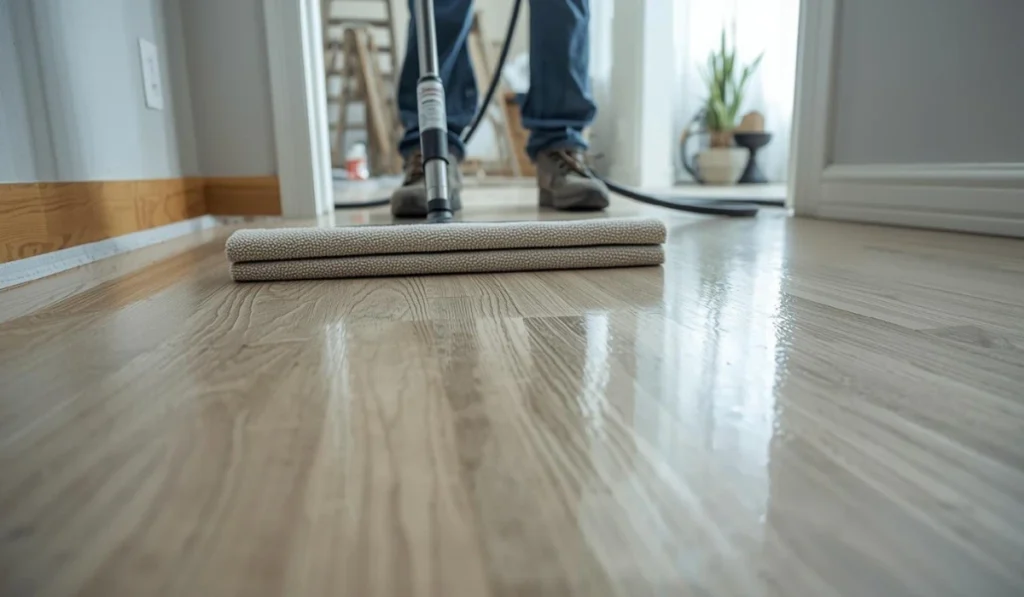
Floors often feel slippery right after mopping because soap residue, wax, or other cleaning products leave a thin film that reduces grip.
Many common cleaners leave behind this invisible layer. These vinyl floor cleaning mistakes slowly increase slickness over time, even on floors that felt safe right after installation. Over time, it makes even glossy or polished floors feel slick, especially in high-traffic areas.
You can use pH-neutral cleaners, microfiber mops, and damp mopping, particularly on satin and matte finishes. This helps prevent cleaning mistakes that can ruin vinyl plank and hardwood floors.
How to Choose the Right Floor Sheen
Choosing a floor sheen isn’t just about how it looks. It’s about how it feels when you walk on it every day. A shiny floor might look great in a showroom, but at home, movement, traffic, and room use can change everything.
Step 1: Match Sheen to Movement and Room Use
This is the crucial step to avoid flooring regrets in most cases. Think about how people move in each area of your home:
- High-traffic areas (kitchens, hallways, entryways): Frequent walking, turning, and quick stops mean you need a finish that feels steady underfoot. Satin or matte finishes provide grip and hide wear.
- Bathrooms: Barefoot movement and strong lighting can make floors feel slick. Satin or matte helps reduce glare and feel more predictable.
- Living rooms: With relaxed movement and open spaces, you want floors that look bright but don’t create harsh reflections. Satin keeps the area inviting and comfortable.
- Stairs: Every step counts. Lower-sheen finishes reduce glare and provide predictable footing.
- Bedrooms: Slow, barefoot walking dominates. Satin and matte feel soft and stable underfoot.
- Outdoor and covered entry areas: Temperature changes and heavier wear can affect traction. Matte or textured surfaces help maintain stable footing.
For most homes, satin or matte finishes are a safe choice. They balance shine, grip, and ease of maintenance.
Step 2: Check Slip Resistance
Look for the DCOF (Dynamic Coefficient of Friction) rating for dry indoor floors. A rating of 0.42 or higher is a good benchmark.
- DCOF measures how much grip the floor provides while walking.
- It is tested under the ANSI A326.3 standard for tile slip resistance.
- If a showroom cannot give you this number, consider it a warning sign.
Step 3: Consider Material and Finish Together
Homeowners often discover that slipperiness is just one of several vinyl plank flooring problems. You get it especially when you don’t match sheen, wear layer, and texture to real foot traffic.
The type of floor material affects traction as much as sheen:
- Polished porcelain vs honed porcelain: Honed offers more predictable grip.
- Glossy luxury vinyl vs textured (EIR) planks: Textured planks give a more stable footing.
- Polished concrete: Often needs a traction additive or micro-texture finish.
At Texas Pro Remodeling, we guide homeowners through these choices every week. This ensures floors are not only beautiful but also feel safe and steady in everyday use.
Can You Have Shine Without Slipping?
Some homeowners want a bit of shine without changing the look of their floors. This balance is possible with the right approach.
Anti-Slip and Nano Traction Additives
Special traction additives can increase surface grip while keeping a smooth appearance. These treatments work best when planned early and matched to the floor type and finish.
Why Professional Application Matters
Application plays a big role in how these treatments perform. Proper prep, even coverage, and product selection affect both feel and durability.
Professional guidance helps ensure the finish stays consistent across rooms and continues to feel comfortable as the home sees daily use.
Questions to Ask Before Choosing a Floor Finish
Before you buy a floor, think about how it will feel and perform in your home every day. Ask yourself:
- Will my feet feel steady on this floor?
Check the DCOF (Dynamic Coefficient of Friction) rating for dry indoor use. A higher rating means less chance of slipping during everyday walking. - How will light affect how the floor feels?
Look at the floor in natural daylight. Bright sunlight or indoor lighting can make smooth floors feel slick or create glare that hides texture. - How much cleaning will it need?
Some cleaners leave a film that changes how a floor feels. Ask what products work best and how often cleaning is needed to keep the floor comfortable and consistent underfoot. - How will daily traffic change the floor over time?
High-traffic areas wear faster than others. Knowing this helps you pick a finish that stays comfortable and looks good, even as some areas smooth out with use. - Is the subfloor flat enough for this finish?
Minor unevenness can increase movement and wear, especially on smooth, glossy surfaces. Many homeowners overlook the hidden costs of floor flatness until problems show up after installation.
Thinking through these questions before installation helps you avoid flooring regrets and ensures your new floor works well for your lifestyle.
Conclusion
Your floor should work with your life, not against it. Shine can make a space look beautiful. But comfort, traction, and ease of maintenance matter even more. Choosing the right sheen helps your floors feel steady, stay clean, and look good for years.
At Texas Pro Remodeling, we help homeowners choose floors that perform well every day, long after installation.
FAQ
1. How do different floor types (wood, vinyl, tile) affect slipperiness?
Smooth surfaces like polished wood or glossy tile feel slicker than textured vinyl or matte tiles. Even the same sheen can feel very different depending on the material.
2. Do rugs and mats really help reduce slipping on shiny floors?
Yes. Strategically placing rugs in high-traffic areas, near sinks, and entryways adds grip while preserving the floor’s look. Make sure rugs have anti-slip backing to prevent movement.
3. How do humidity and cleaning routine affect floor grip?
High humidity can make some finishes feel slick. Cleaning products that leave a residue can also reduce traction. Stick to gentle, non-wax cleaners and follow manufacturer guidance to keep floors safe.
4. Can I add anti-slip treatments after the floor is installed?
Yes, but a professional application works best. Coatings or nano-traction treatments can improve grip without changing appearance, but uneven DIY application can reduce effectiveness.