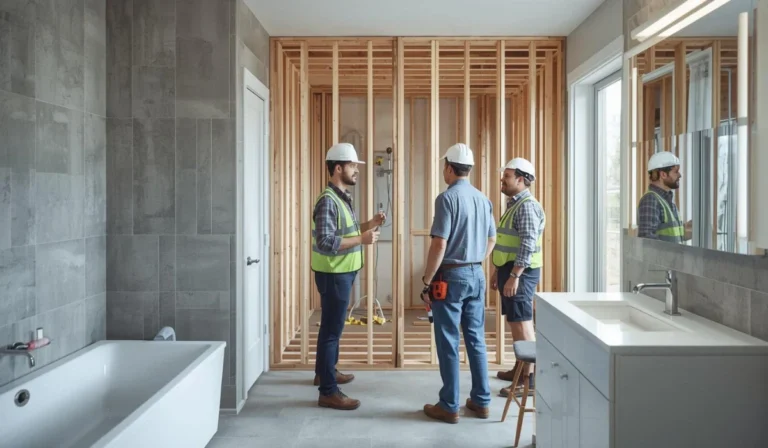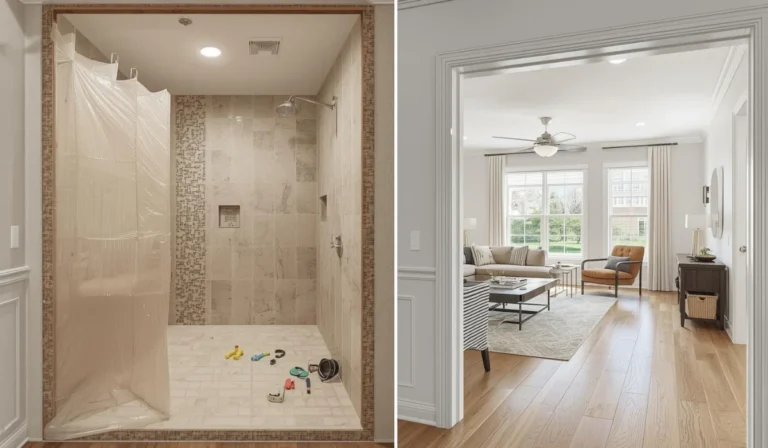
A Dallas bathroom remodel inspection checklist helps you meet the Dallas Residential Code. These safety rules keep your home and family secure. Most renovations require passing several city inspections. You must check plumbing, electrical, and structural work.
Homeowners should verify all upgrades personally. This protects your home value and equity. It also prevents legal issues when you sell your house later. Texas Pro Remodeling knows the Dallas bathroom permit inspection process is often hard to navigate.
That’s why we suggest looking after those before actually starting bathroom remodel.
TL,DR:A Dallas bathroom remodel inspection ensures code compliance and safety. Follow this checklist to pass city inspections, avoid costly failures, and protect your home’s value and equity. |
Why Bathroom Remodel Inspections Matter Before and After Renovation
An inspection checklist keeps your family safe. It prevents fires and water damage. It ensures code compliance. This makes your home easy to insure. A remodel checklist keeps your builder honest. It ensures every pipe is installed correctly. This helps you a lot in every bathroom remodel idea.
The Real Cost of Skipping Inspections During a Remodel
Skipping a bathroom inspection checklist for Dallas homeowners is risky. It leads to “stop-work” orders from the city. You might pay double for permits later. The city may force you to tear down walls. Non-compliant wires can cause fires.
What Dallas Inspectors Check During a Bathroom Remodel?
A Dallas residential remodel checklist for bathroom jobs covers safety. Inspectors check the GFCI bathroom inspection checklist. They look at drain slopes. They also check your bathroom ventilation inspection in Dallas setup. Proper airflow stops mold growth.
A Real Remodeling Lesson From a Dallas Homeowner
A homeowner in Garland ignored the permit rules. He thought his shower expansion was too small. A city inspector saw the trash bin outside. He stopped the project immediately. The owner spent weeks filing a One and Two-Family Dwellings Remodel/Renovation Application.
Dallas Bathroom Remodel Permit and Inspection Process Explained
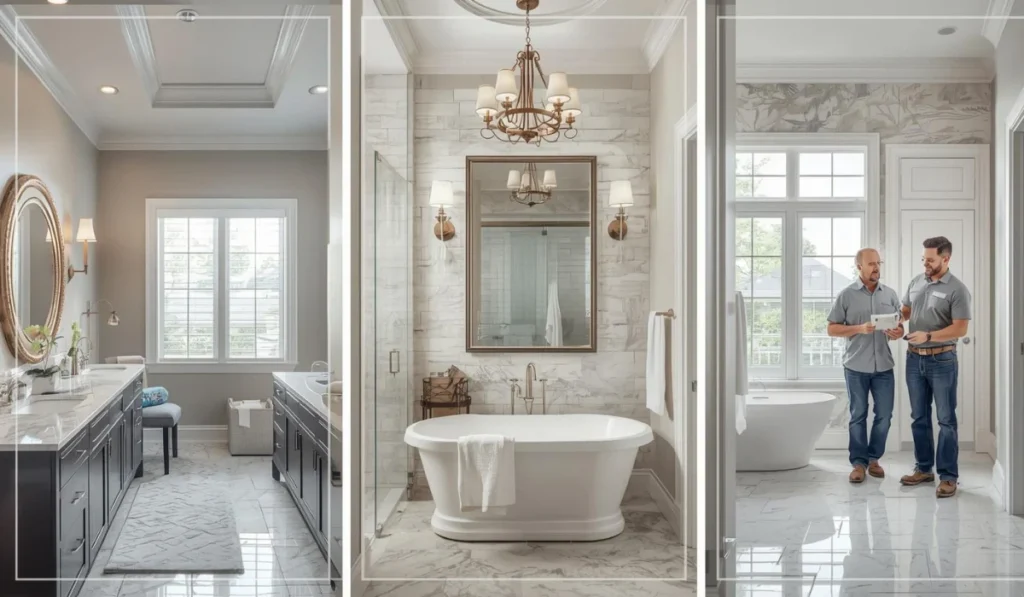
This is where most homeowner makes mistakes while doing bathroom remodel. The Dallas bathroom permit inspection process starts with a digital application through the DallasNow portal. You must submit your floor plans and wait for the Planning & Development Department to verify Dallas Residential Code rules.
Once the city approves your project, you can pay fees online and receive your residential permits. This digital system allows homeowners to manage their bathroom remodel permit and inspection tasks in Dallas from any device.
Knowing how bathroom inspections work in Dallas helps you avoid major project delays. You must schedule inspections at key steps, such as the “rough-in” phase, before you close any walls.
Registered contractors or homeowners with an exemption can pick an inspection date through the portal. An inspector typically visits within two business days. You must be present during the walk-through to discuss the results and receive your email confirmation instantly.
Pro contractors must always maintain insurance and a bond to register with the city for your safety.
This simple step keeps your bathroom remodel permit and inspection in the Dallas timeline, moving without costly rejections. By following these local standards, you ensure your home renovation is legal, safe, and ready for a successful final sign-off.
Permit Paperwork Checklist Before Your Bathroom Inspection
The right permit paperwork checklist for inspections prevents rejection. Organise your required documents for the bathroom remodel permit in Dallas early. Keep your bathroom remodel approved plans in Dallas on the job site. The inspector must see them clearly.
- Approved Plans Required On-Site During Inspection: You must have the stamped paper plans ready. The inspector checks these at every visit.
- Floor Plans Showing Existing Interior Walls and Proposed New Walls: Show exactly which walls you moved. Use a clear bird’s-eye view of the city.
- Plumbing Plans Layout, Size, and Material Details: Your drawings must show pipe sizes. List the materials for all new water lines.
- Vent Piping and Water Heater Notes on Plans: Mark how you vent sewer gases. Note any changes to the water heater system.
- Smoke Detector and Carbon Monoxide Alarm Locations on Plans: The city requires these for safety. Show their exact spots on your floor plan.
These documents verify that your bathroom remodel follows the Dallas Residential Code for a safe and legal home renovation.
Pre-Remodel Bathroom Inspection Checklist for Dallas Homes
A bathroom inspection checklist before remodeling finds hidden issues. A pre-remodel inspection checklist for the bathroom saves money. It helps you find rot under old tiles. This Dallas homeowner’s bathroom remodel checklist keeps your foundation dry.
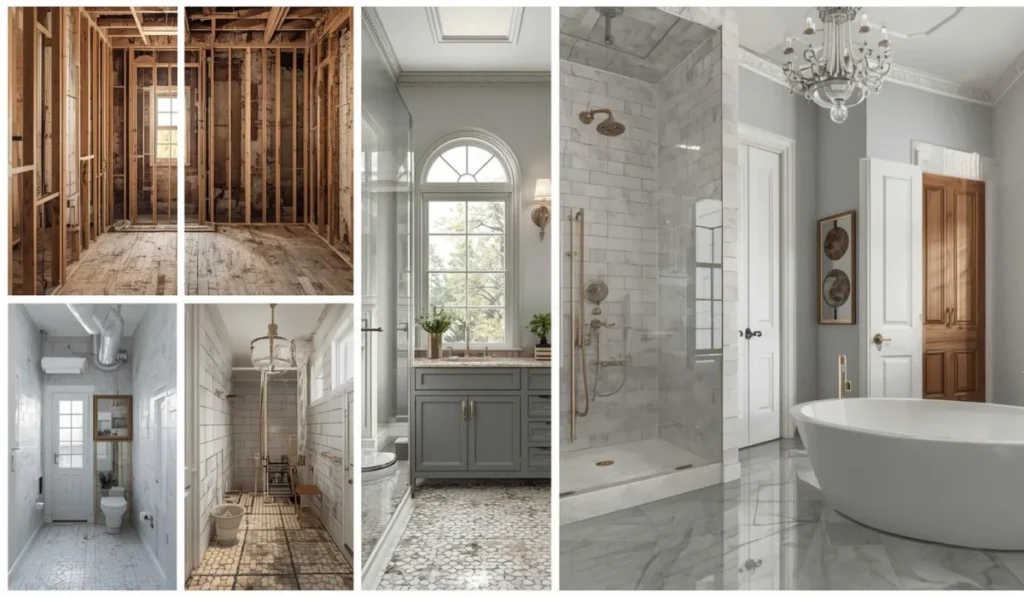
Noticing musty smell signs of mold early prevents you from sealing moisture behind your new walls. Taking this step ensures your new bathroom stays healthy and structural damage stays out of your project budget.
- Structural Inspection: Look at the floor joists. Check for sagging or wood rot from old leaks.
- Moisture and Water Intrusion Inspection: Check for musty smell and signs of mold behind walls. Do not seal in dangerous spores.
- Subfloor Moisture Inspection Before Tile Installation: Use a moisture meter. Ensure the wood is dry before you lay new tile.
- Plumbing Fixtures, Valves, Pipes, and Drainage Check: Test your old shutoff valves. Make sure they stop the water flow.
- Electrical Wiring, Lighting, and GFCI Outlet Inspection: Look for old wiring. Upgrade any aluminum wires to meet new safety codes.
- HVAC and Ventilation Inspection: Ensure your ducts are clean. They must support a new, high-powered exhaust fan.
- Bathroom Exhaust Fan and Ventilation CFM Check: Measure the airflow. Ensure the fan fits your new bathroom size.
Finding these issues early saves you thousands on unexpected repairs while ensuring your bathroom stays safe and code-compliant.
Bathroom Remodel Rough-In Inspection Checklist in Dallas
The Dallas bathroom rough-in inspection happens before drywall. This rough-in inspection checklist bathroom remodel covers wires and pipes. A plumbing rough-in inspection checklist bathroom ensures your walls stay dry for years.
- Plumbing Rough-In Inspection (Drain Slope, Venting, Shutoff Valves): Drains must slope 1/4 inch per foot. This prevents clogs and bad smells.
- Electrical Rough-In Inspection (GFCI, Wiring, Outlet Spacing): Secure every wire with staples. Ground all junction boxes to prevent shocks.
- Mechanical Rough-In Inspection (Bathroom Ventilation): Vent your fan directly outside. Never vent it into your attic space.
- Waterproofing and Shower Pan Inspection Checklist: Fill the shower pan with water. Let it sit for 24 hours to check for leaks.
- Tile Substrate and Moisture Barrier Inspection: Use cement board in the shower. Do not use standard drywall near water.
A successful rough-in sign-off allows you to install drywall and tile with confidence that your systems are safe.
Dallas Bathroom Plumbing Inspection Checklist
A Dallas bathroom plumbing inspection follows the International Plumbing Code. It also follows Dallas Plumbing Code Amendments. This Dallas bathroom plumbing inspection checklist keeps your water pressure safe. Good venting stops sewer gas from entering your home.
- Plumbing Fixtures and Drainage Layout: The inspector checks sink and toilet spacing. You need enough room to move safely.
- Leak Test Checklist After Bathroom Remodel: New lines must hold pressure. No moisture should appear at any pipe joint.
- Drain Slope and Vent Piping Compliance: Vent pipes must go through the roof. This keeps the air pressure balanced.
- Shutoff Valve Access Inspection: Every sink and toilet needs a valve. You must be able to reach it easily during a leak.
Proper plumbing inspections verify that your drainage and water systems meet every city safety standard for long-term home reliability.
Dallas Bathroom Electrical Inspection Checklist
The Dallas bathroom electrical inspection stops water-related shocks. Modern bathroom lighting and outlet inspection checklist rules are strict. You need dedicated circuits for hair dryers. Following the International Residential Code keeps your family safe.
- GFCI Bathroom Inspection Checklist: All outlets near water must have GFCI protection. This shuts off power instantly if water hits it.
- Lighting and Outlet Placement Requirements: Place one outlet within three feet of the sink. This is a city safety requirement.
- Electrical Wiring Safety and Code Compliance: Use the right wire gauge for your breakers. This prevents wires from getting too hot.
These electrical checks ensure every outlet and light fixture in your bathroom operates safely around water to prevent accidents.
Bathroom Mechanical and Ventilation Inspection Checklist
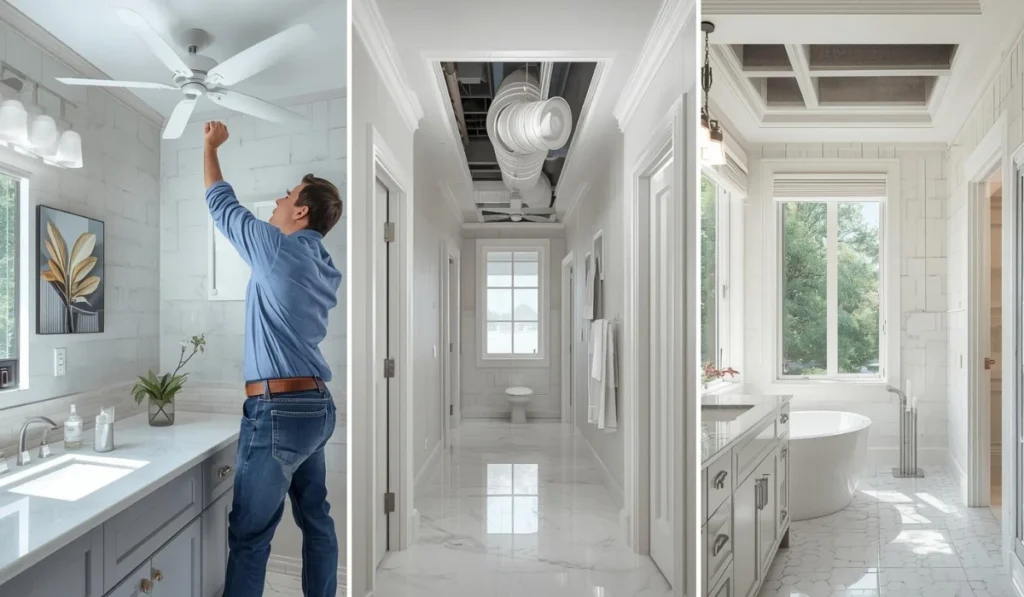
A bathroom ventilation inspection in Dallas prevents mold. The Dallas Mechanical Code Amendments require a fan if you have no window. This bathroom mechanical inspection ensures your fan removes steam well.
- Bathroom Exhaust Fan Inspection Checklist: Your fan must have the right CFM rating. This is based on the room size.
- Fan CFM Sizing and Vent Duct Routing: Keep vent ducts short and straight. This moves more air and stays quiet.
- Moisture Control and Ventilation Standards: Good fans prevent bathroom makeover mistakes. They stop paint from peeling off.
Proper mechanical ventilation keeps your bathroom dry and protects your cabinetry from long-term damage caused by moisture and humidity.
Common Bathroom Inspection Failures in Dallas
Knowing why the bathroom remodel failed inspection in Dallas issues happens helps you. Many common bathroom inspection failures are easy to fix. Compare your work to 16 bathroom remodel ideas before the inspector arrives.
According to City of Dallas Building Inspection Department, Inspection Success Metrics & Comparison
| Inspection Type | Key Focus | Common Failure Reason |
| Rough-In Plumbing | Drain Slope & Venting | Improper pipe pitch (less than 1/4″) |
| Rough-In Electrical | GFCI & Circuit Loads | Non-GFCI outlets near water |
| Shower Pan | Waterproofing | Leaking after 24-hour flood test |
| Final Inspection | Code Conformity | Work doesn’t match approved plans |
According to Dallas construction data, 15% of unpermitted bathroom remodels have structural issues within five years. Failed inspections add 12 days to your timeline in the DFW area.
- Missing Permits or Incorrect Permit Application: This is the top reason for a failed check. Always pull your permits first.
- Plumbing and Drainage Code Violations: Improper slopes cause automatic failures. Ensure your pipes have the right pitch.
- Electrical Safety Failures: Wrong wire sizes are dangerous. Forgeting GFCI outlets is a common mistake.
- Waterproofing and Moisture Issues: If the shower pan leaks during the test, you fail. Fix leaks before the inspector returns.
- Work Not Matching Approved Plans: Changing the layout mid-way is risky. Always update your plans with the city first.
What Happens After a Failed Dallas Bathroom Inspection?
Handling bathroom remodel corrections after inspection failures requires quick action to keep the project moving. You must address every item on the inspector’s “correction notice” before you can move forward. Use the DallasNow portal to see the specific notes left by the city official.
Learning how to fix failed bathroom inspection Dallas issues often involves uncovering work you have already finished. Once the repairs are complete, you must schedule a re-inspection through the city’s online system. Most Dallas projects take about 3 to 5 days to get a follow-up visit.
Conclusion
Passing a Dallas bathroom remodel inspection is the most important part of a successful renovation. It guarantees that your beautiful new space is safe, legal, and built to last. By following this bathroom remodel inspection checklist for Dallas homeowners, you protect your investment and avoid the stress of failed safety checks.
Whether you are looking for bathroom remodel before-and-after ideas or managing a full gut job, code compliance is key. At Texas Pro Remodeling, we believe that professional standards and safety are the foundation of every great home project.
Always work with registered contractors and maintain open communication with the Planning & Development Department. A well-inspected bathroom provides peace of mind for you and future owners of your Dallas home.
Frequently Asked Questions (FAQs)
What do home inspectors look for in bathrooms?
Inspectors check for active leaks, secure toilets, functional ventilation, and GFCI protection. They also look for proper water pressure and any signs of mold or structural wood rot.
What is the 30% rule in remodeling?
The 30% rule suggests that if you remodel more than 30% of a space, you must bring the entire room up to the current Dallas Residential Code standards.
Do you need permits to remodel a bathroom in Texas?
Yes, most Texas cities like Dallas require permits for moving walls, changing plumbing, or adding electrical circuits. Cosmetic changes like painting or new flooring usually do not require permits.
What happens if an inspector finds unpermitted work after?
The city can fine you, double the permit fees, and force you to tear out finished work. This often happens during the home selling process when buyers request permit records.
What is the biggest red flag in a home inspection?
Foundation issues and hidden water damage are the biggest red flags. In bathrooms, a leaking shower pan is a major concern that often indicates larger structural problems nearby.
What is the first thing an inspector wants to see?
The inspector first asks for the approved plans and the original building permit. They want to verify that the work matches what the city officially authorized for the property.
What do home inspectors not look for?
Inspectors do not look at cosmetic issues like paint colors or tile patterns. They focus strictly on safety, health, and structural integrity as defined by the Dallas Residential Code.
What is a deal breaker in a home inspection?
A deal breaker is usually a high-cost repair like a cracked foundation or massive mold infestation. Unpermitted electrical work in a bathroom is also a significant safety risk for buyers.