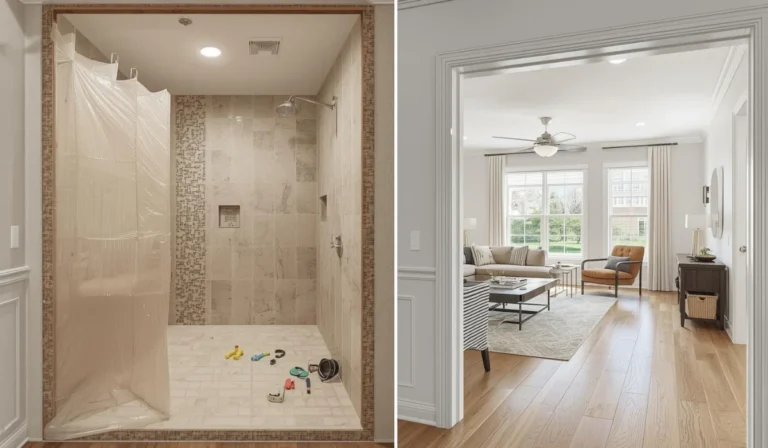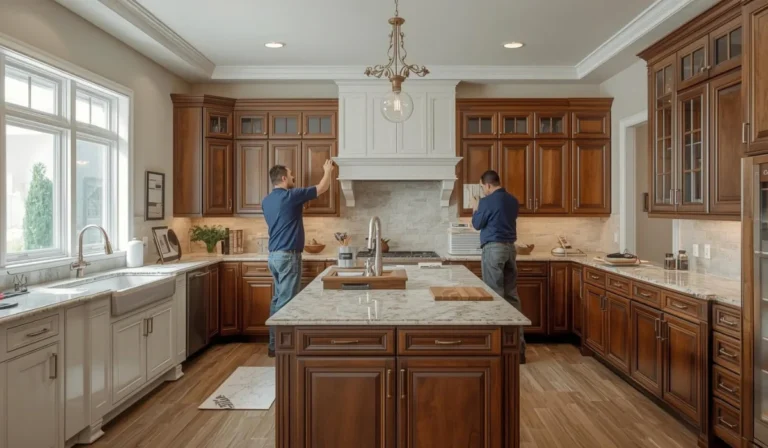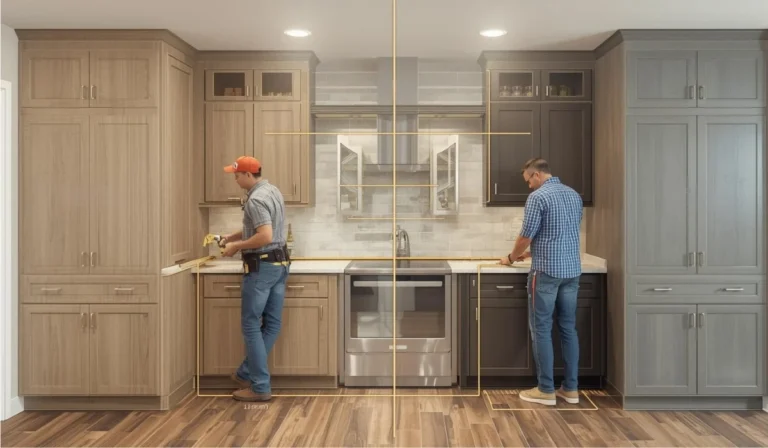



Yes, you can stay in your home during a bathroom remodel by planning for dust, noise, and temporary water shut-offs with a professional team. Most Dallas homeowners remain on-site to save money and oversee daily progress.
It provided that they have a second functional bathroom. Staying home works best for cosmetic updates, while major “gut” renovations often require a temporary move for safety and comfort.
But is it safe to be in the home during a bathroom remodel? This guide helps you decide if staying or leaving is right for your family. Texas Pro Remodeling understands these challenges and prioritizes your home’s safety. We will look at costs, timelines, and Dallas-specific logistics to ensure your renovation is a success.
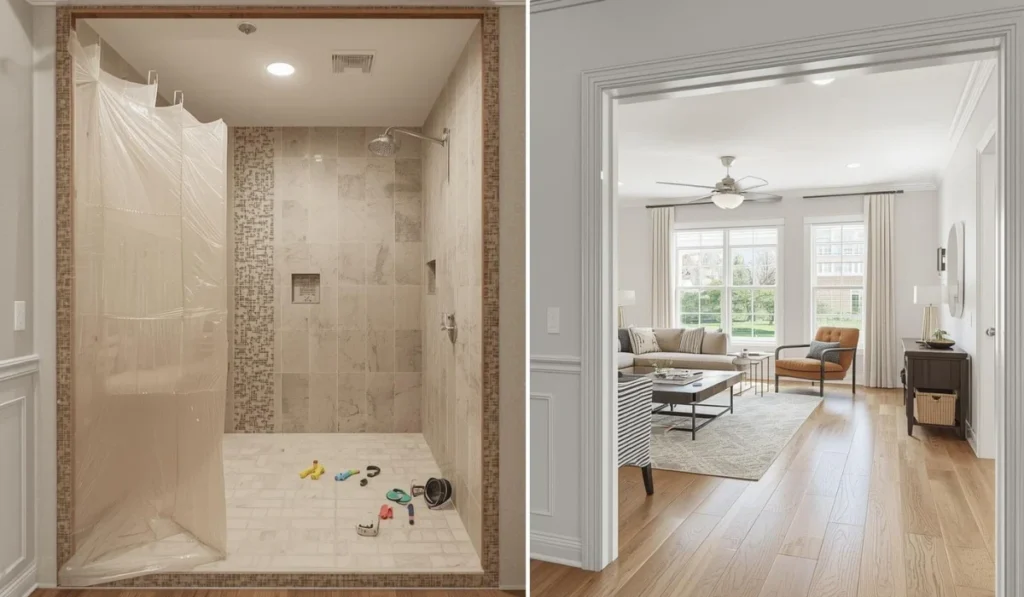
TL;DR:Stay home during a Dallas bathroom remodel possible if you have a second bathroom and can tolerate construction noise. For one-bathroom homes or hazardous material removal, moving to a short-term rental is the safer choice. Texas Pro Remodeling suggests balancing your budget against your need for privacy and air quality. |
Can You Stay in Your Dallas Home During a Bathroom Remodel?
Yes, you can stay in your home during a bathroom remodel as long as you maintain access to a working toilet and shower. If you own a one-bathroom home in Dallas, staying is much harder. Most contractors in Dallas County suggest moving out for at least the demo phase.
When Staying Home Is Realistic
Staying home works well for minor upgrades. If the project lasts less than two weeks, you can likely manage. You should have a second bathroom available for your family. A phased plan allows the crew to work while you use other parts of the house. We call this a staged approach. It keeps your life functional.
When Moving Out Is the Safer Choice
You should move out for major structural changes. If the crew must move load-bearing walls, the house becomes a true job site. Major plumbing and electrical upgrades often require whole-house shut-offs. You must leave if the team finds mold or hazardous materials. Safety is the top priority for every Dallas family.
Pros and Cons of Staying Home During a Bathroom Renovation in Dallas
The pros and cons of staying home during a bathroom renovation in Dallas include major cost savings and better project oversight versus high noise levels and daily dust.
Homeowners save $150 to $300 per night by avoiding hotels, but they must manage temporary water shut-offs and a loss of privacy. Deciding to stay depends on your tolerance for construction mess and your ability to adapt to a changing daily routine.
Living On-Site vs. Moving Out:
| Feature | Pros of Staying in Your Dallas Home | Cons of Staying in Your Dallas Home |
| Financial Impact | You save thousands on hotel stay budgeting and Airbnb fees. This keeps your total project costs low. | Daily spending on takeout meals increases when you cannot easily access the kitchen or water. |
| Project Oversight | You act as the one point of contact for daily check-ins. You catch potential mistakes in real-time. | Your home becomes a job site. Noise and disruption start as early as 7:00 AM with heavy drilling. |
| Daily Comfort | You sleep in your own bed and keep your pets comfortable. There is no need for pet boarding. | Dust and debris spread even with plastic barriers. Fine particles can settle on furniture and floors. |
| Utilities | You maintain control over your security and energy use. You do not have to share keys. | Expect frequent water shut offs. You must plan your hygiene around the contractor’s active work schedule. |
| Mental Health | Maintaining a sense of normalcy helps some people feel less overwhelmed by the renovation process. | High stress levels often occur due to the lack of a quiet, private space to relax. |
Staying home during a remodel requires careful planning and a high level of patience. You must weigh the financial benefits against the daily challenges of construction life.
What Determines If You Can Live in the House During a Bathroom Remodel?
The scope of work and the number of functional bathrooms determine if you can live in your house during a remodel. You can easily manage a simple vanity replacement while staying on-site. However, a full master suite expansion creates significant disruption that often requires temporary relocation.
Scope of Work & Timeline
A standard project usually takes 3 to 6 weeks. You must review the specific dates when your toilet and shower will be offline. If your fixtures are out of service for more than 48 hours, a hotel becomes necessary. Also, planning ahead helps you navigate bathroom Remodel costs by avoiding rush fees or last-minute material surcharges. That’s why you keep the plan ahead of time.
Access to Essential Spaces
Living in a one-bathroom home presents the biggest challenge. You cannot go without a toilet for a full day. You must secure a plan for bathroom access when you have only one bathroom in Dallas before work starts. Many homeowners utilize local gym memberships or nearby neighbor facilities for showers.
Contractor Schedule & Daily Rules
Crews typically work from 8:00 AM to 4:00 PM. You must establish a noise policy for early mornings. Appointing one point of contact ensures daily check-ins run smoothly. Clear rules regarding who locks the home at night maintain your security.
One Bathroom Home Remodel Survival Guide
Surviving a one-bathroom remodel requires a solid temporary sanitation plan and pre-arranged off-site shower access. You cannot simply wing it when your only toilet and shower are completely out of commission. Most experts recommend a mix of on-site modifications and external facilities to maintain basic hygiene during the most intense phases of construction.

Temporary Toilet Plan
You should keep your toilet connected for as long as possible. Many crews can pull and reset the fixture on the same day until flooring installation begins. If the toilet must remain uninstalled, you should rent a porta-potty.
Place the unit in your driveway, but verify your HOA rules first. Some Dallas neighborhoods have strict regulations regarding outdoor sanitation units. So, keeping a bucket nearby for manual tank refills can also help during short water shut-offs.
Temporary Shower Solutions
Utilizing a local gym for showers is the most common solution. You should pack a dedicated shower bag to make these quick trips more efficient. Some contractors can even install a temporary shower in a utility room connected to a floor drain.
Always use a dehumidifier in temporary indoor shower setups to prevent moisture buildup and potential mold growth. Staying organized during this time reduces stress and keeps your household running smoothly. If you are confused then it’s best to follow some smart bathroom remodel tips from experts like us.
Bathroom Remodel Dust Control in Dallas (Safety Checklist)
Effective dust control uses heavy plastic barriers, HEPA air scrubbers, and negative air pressure to keep your home clean. Dust travels through HVAC vents easily, so you must treat containment as a top priority. Proper planning ensures your Indoor Environmental Quality (IEQ) remains high throughout the renovation.
How Dust and Debris Are Contained
Crews should seal the work zone with heavy-duty plastic sheeting. Using zipper doors allows for easy entry while keeping fine particles trapped inside the bathroom. HEPA air scrubbers offer superior protection compared to standard air purifiers because they capture microscopic debris. This setup prevents many bathroom makeover mistakes that can ruin furniture and carpets in other rooms.
Protecting HVAC & Air Quality
You must tape off all air ducts within the bathroom before demolition begins. Covering the return and supply grilles in nearby rooms prevents dust from circulating throughout the house. We recommend changing your HVAC filters every week during the project.
This simple step protects family members with asthma and prevents “construction lung” from airborne irritants. But it also increases the remodel budget but it will get best roi. So this step won’t be useless.
Daily Cleanup Standards
Your crew should perform a thorough sweep at the end of every workday. They must use a shop vac equipped with a HEPA filter to avoid blowing dust back into the air. Asking the team to wipe down high-traffic surfaces with microfiber cloths keeps the site professional. A clean workspace is a safe workspace for everyone involved.
Bathroom Remodel Safety Checks for Homeowners
Prioritizing safety during a bathroom renovation is essential to protect your family and property from hidden construction hazards. In 2026, Dallas homeowners must adhere to updated health standards to ensure their remodeling project remains code-compliant and physically safe.
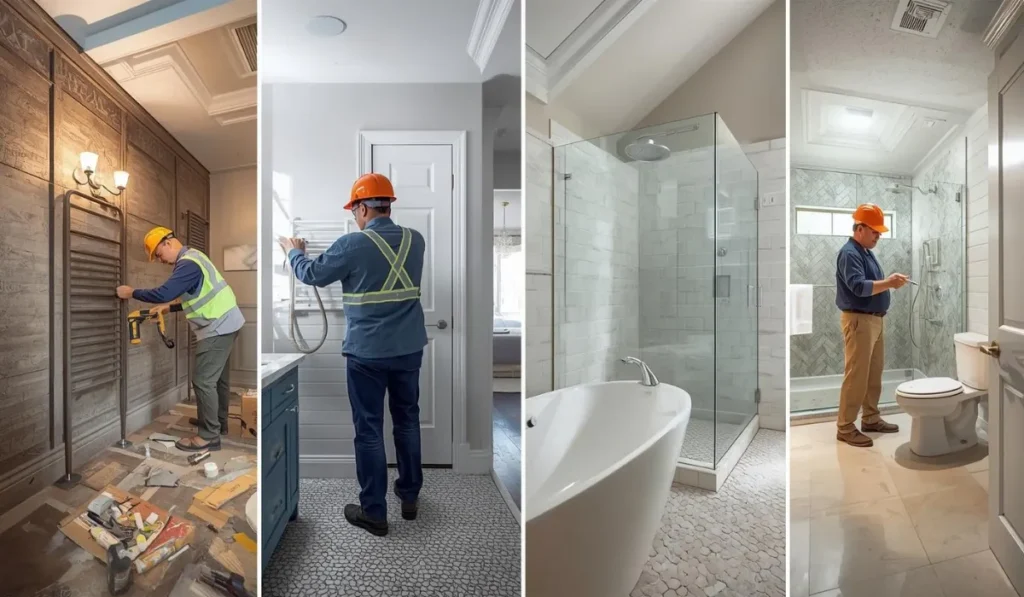
- Verify Lead-Safe Certification: Pre-1978 homes require EPA RRP certified contractors to handle lead-based paint safely and prevent toxic dust contamination.
- Conduct Asbestos Testing: Before demolition, test old tile or insulation for asbestos to avoid releasing microscopic fibers into your living space.
- Implement Lockout Procedures: Ensure your contractor uses a formal lockout/tagout system to keep electrical circuits de-energized during open-wall plumbing work.
- Require GFCI Protection: All temporary power strips and tools used in wet bathroom environments must have GFCI protection to prevent shocks.
- Utilize Silica Controls: Crews must use integrated water delivery systems or HEPA vacuums when cutting tile to limit dangerous silica dust.
- Manage Chemical Vapors: Provide active ventilation when applying grout sealers or adhesives to exhaust harmful volatile organic compounds from your home.
- Maintain Clear Pathways: Keep primary walkways free of debris and tools to prevent trip hazards for family members and work crews.
By following these professional safety checks, you can mitigate risks and enjoy a stress-free transformation. Always consult with a licensed professional to ensure your specific Dallas project meets all modern 2026 safety requirements and building codes.
Work From Home During a Bathroom Remodel in Dallas
You can work from home effectively during a remodel by using noise-canceling headphones and setting strict quiet hours with your crew. Most professionals manage the disruption by coordinating their meeting schedules with the loudest construction phases.
Maintaining productivity requires a clear boundary between your workspace and the active renovation zone.
Noise Mitigation
Demolition is the loudest phase and typically lasts two to three days. You should use white noise machines to mask the sound of drills and hammers. If you have a critical video call, tell the lead contractor in advance. They can often shift to quieter tasks, like painting or tile layout, during those windows.
Privacy & Productivity
Establish clear boundaries to keep your professional life separate from the construction. The crew should only use specific pathways and designated entrances. You must set firm rules for parking and restroom use to avoid interruptions. Keeping the work zone sealed allows you to maintain focus and prevents workers from accidentally entering your home office.
Water & Power Shutoff Schedule – What to Expect
You should expect water and power shut-offs during the demolition phase and the final fixture installation. Most interruptions in Dallas last between 4 to 8 hours. Your contractor must provide a 24-hour notice before any utility disconnection.
To prepare, we recommend filling several jugs of water the night before. This simple step allows you to wash hands and flush toilets manually using the bucket method. Always confirm that your team uses proper lockout-tagout procedures for electrical safety.
Temporary Living Options in Dallas
Temporary living options in Dallas include staying at home, booking an Airbnb or VRBO, using an extended-stay hotel, or staying with local friends and family. Finding the right fit depends on your renovation timeline and household needs.
Many Dallas residents prioritize staying within their current school district to keep routines stable for children. Short-term rentals offer the comfort of a full kitchen, while hotels provide predictable costs.
Cost Comparison for Dallas Housing:
| Option | Estimated Nightly Cost | Best For |
| Stay at Home | $0 | Strict budgets and daily project oversight |
| Airbnb/VRBO | $120 – $250 | Families with pets needing a full kitchen |
| Extended Stay Hotel | $90 – $160 | Long renovations and consistent amenities |
| Friends or Family | $0 (plus a gift) | Short 3-day gut phases or demo days |
Choosing where to live is a major part of your hotel stay budgeting. If your project lasts more than a month, an extended-stay hotel is often the most stable and cost-effective choice. Many people rotate between these options based on the construction phase. You might stay home for painting but move to an Airbnb during heavy demolition.
Budget Planning When Staying Home
Successful budget planning for a staying-home renovation requires a 10% to 15% contingency fund to cover lifestyle disruptions and hidden repairs. Living on-site often reveals unexpected needs, from extra professional cleaning to increased dining costs. Proper financial preparation ensures that you can handle these “soft costs” without draining your main construction budget.
Contingency Budget
You will likely eat out more often while your bathroom is a construction zone. You may also need to use a local laundromat if your water is temporarily off. We recommend budgeting for a deep clean once the crew finishes, as fine dust often bypasses plastic barriers. These small expenses are common bathroom makeover mistakes that many people forget to fund until the project starts.
Change Order Process
Always get every price adjustment in writing before any new work begins. If a crew finds a hidden leak behind your tile, they will issue a formal change order. This is Murphy’s Law in action: anything that can go wrong often does once walls are opened. Working with the Texas Pro Remodeling bathroom service team ensures you receive clear, upfront pricing for any necessary adjustments to your plan.
When You Should NOT Stay in the Home During a Major Renovation
You should not stay in the home if you encounter hazardous materials or if the project involves a full demolition of your only functional bathroom. Safety and health must come first. According to EPA guidelines, homes built before 1978 often contain lead-based paint, which becomes toxic when disturbed. If testing reveals lead or asbestos, you must relocate until professional abatement is complete.

Critical Safety Indicators
- Hazardous Materials: Leave immediately if asbestos or lead is found.
- Indoor Environmental Quality (IEQ): High dust levels pose a severe risk to family members with asthma or chronic allergies.
- Mental Health: If the constant noise and lack of privacy cause extreme stress, the financial savings are not worth the emotional toll.
Final Verdict
Deciding to stay home during a Dallas bathroom remodel depends on your patience and floor plan. If you have a second bathroom, staying on-site is a smart way to manage DFW bathroom remodel costs effectively. However, you must prioritize HEPA dust control and follow EPA safety standards. For those in one-bathroom homes, a solid “no toilet” plan is essential. Texas Pro Remodeling ensures your project stays on track while maintaining a safe, livable environment for your family throughout the renovation.
Frequently Asked Questions (FAQs)
Can you live in your house while it’s being remodeled?
Yes, most homeowners stay on-site. You need a second functional bathroom and a plan to manage construction dust and daily noise.
What should you not do when remodeling a bathroom?
Do not ignore water damage or skip professional waterproofing. Never use the shower before the grout and caulk have fully cured.
What is the 30% rule in remodeling?
The 30% rule suggests setting aside thirty percent of your total budget for unexpected repairs like mold, leaks, or electrical issues.
Where to stay during a remodel?
Consider Airbnb, an extended-stay hotel, or staying with a local family. Choose a location near your work or your children’s school.
Can I live in my house while it’s being renovated?
You can stay if you maintain access to essential utilities. Move out if the project involves structural changes or hazardous material removal.
What is the longest you can stay in temporary accommodation?
Most short-term rentals allow stays up to six months. Beyond that, you should look for a formal month-to-month residential lease agreement.
What are the most common renovation mistakes?
Common mistakes include hiring uncertified contractors, choosing cheap materials, and failing to secure necessary building permits from the city of Dallas.
Where can I live while my house is being renovated?
You can book a VRBO, stay in a local hotel, or live in a recreational vehicle (RV) parked on your property.
What devalues a house the most?
Poor quality DIY work, outdated plumbing, and neglecting structural repairs devalue a home more than any other aesthetic or cosmetic issues.