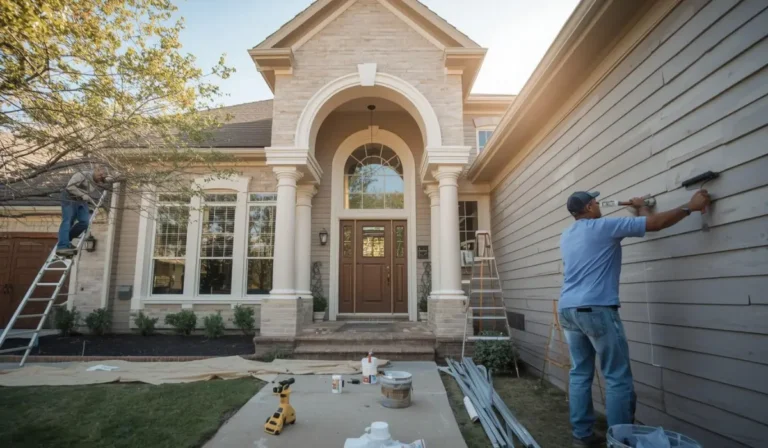

For a successful exterior painting project in Dallas, you need good weather and well-prepared surfaces. Make sure to paint when the temperature is between 50° and 85°. Using the right caulk and primer will help protect your home from the hot Texas sun.
This checklist will guide you through every step to keep your home looking great for years. By following these simple tips, you can help your investment handle the humidity in North Texas.
TL;DR:For exterior painting in Dallas, prep and timing are everything. Clean and repair surfaces, scrape/sand old paint, use the right primer and caulk, and only paint in mild conditions (50–85°F, low humidity, no rain). Avoid direct sun and ensure surfaces are dry to get a long-lasting, weather-resistant finish. |
Dallas Homeowner Pre-Paint Inspection Checklist
Check your home carefully to find problems before they get costly and hard to fix. Look at your siding for signs of damage from the strong sun. We recommend checking your outside every spring for the best results.
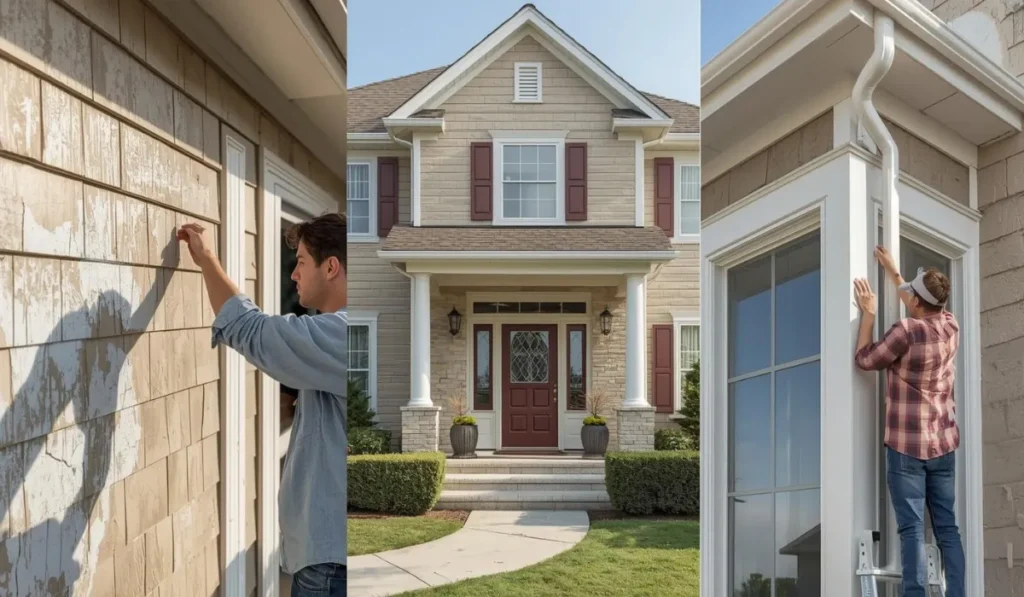
Inspect Exterior Siding and Trim
Check your wood siding and trim for peeling or bubbling paint. Look for a powdery substance that comes off easily on your fingers. Look for any cracks or poor caulking around your doors and windows. Look for wood that feels soft or looks dark because of water damage.
Check High-Exposure Areas
Check your eaves and fascia for water damage or bird nests. Look at your shutters and trim boards for fading from the sun. Inspect every window and door frame for gaps that let air escape. These areas often get the most wear from the changing Dallas weather.
Identify Areas That Need Repair or Primer
Look for wood surfaces that are not protected from rain and sunlight. Find areas that have been patched and need a new coat of good primer before painting. Check for surfaces that are chalky or faded, which means the old paint is not working well. Pay special attention to these spots so your new paint sticks properly.
Complete the Dallas Exterior Painting Checklist Before Starting
Gather all necessary tools and safety equipment before you begin painting. A complete checklist keeps your project on track and avoids multiple trips to stores. Texas Pro Remodeling follows a strict protocol to maintain high standards for every client.
Consider checking those out before applying any exterior remodeling ideas for DFW homes. This won’t just improve your overall curb appeal but also smooth the process.
Exterior Painting Contractor Checklist for Dallas Projects
- Examine the current siding condition to find any hidden rot or structural issues.
- Inspect the trim and fascia boards for alignment and secure attachment to rafters.
- Check every caulking bead for elasticity and a proper seal against the substrate.
- Detect any moisture or mildew that requires cleaning before you apply the paint.
Protect Landscaping and Surrounding Surfaces
- Cover all plants and landscaping with breathable drop cloths during the prep work.
- Mask your windows and light fixtures with plastic and professional-grade blue painter’s tape.
- Protect your driveways and walkways from paint drips using heavy-duty canvas drop cloths.
These steps keep your property clean and maintain a professional look throughout.
Dallas Exterior Surface Prep Checklist Before Painting
Surface preparation is the foundation for a long-lasting, durable paint finish. This process creates a clean and stable base for new paint layers.
We prioritize prep work to ensure your home stays vibrant for years. That’s why we suggest Dallas home owners do this:
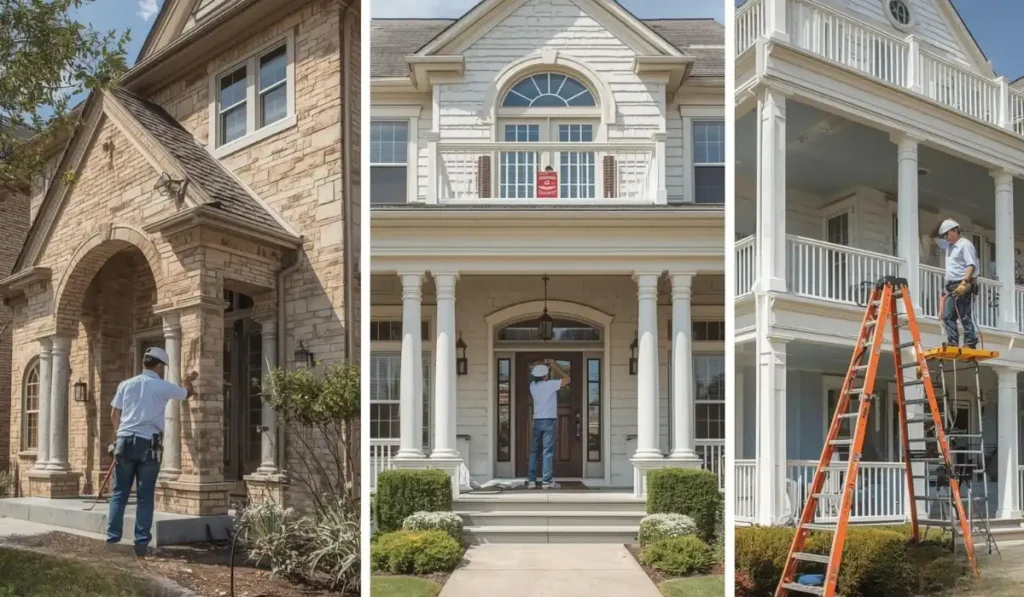
Clean Exterior Surfaces Properly
Wash every siding and masonry surface to remove dirt, pollen, and Texas dust. Use a specialized mildew and mold remover to kill organic growth on siding. You may have heard ‘no need to clean the surface before remodel’, but don’t believe them. Those are common HGTV renovation myths.
A clean surface actually helps the contractor to remodel faster. So, ensure that every surface remains solid and dry before moving on to the next. Clean surfaces allow the primer to bond deeply with the substrate for longevity.
Scrape and Sand Old Paint
Scrape loose paint until you reach sound and firm edges on the boards. Sand down the sharp edges of the remaining paint to create smooth transitions.
These steps are essential if you are doing a custom wall-texture update. The dull any glossy surfaces to help the new paint layer adhere better. Use feather sanding transitions to eliminate visible lines between old and new layers.
Repair and Patch Exterior Surfaces
Fill every crack and imperfection with a high-quality exterior-grade wood filler. Repair damaged siding or trim boards to restore the integrity of your home. Seal joints and seams to prevent water from entering the interior wall cavities. Proper surface preparation matters more than the actual paint color for lasting results.
Exterior Caulking Checklist Before Painting
Apply high-quality caulk to prevent moisture from entering gaps around your home’s exterior. This step acts as a vital barrier against insects and humid Texas air. In our exterior remodeling service, we use premium sealants to handle the expansion of Dallas soil types. Reach out to our team if you need help sealing your home.
Dallas Exterior Caulking Checklist
- Apply a paintable exterior caulk to every window and door frame on the house.
- Fill the siding joints where different boards meet to create a seamless look.
- Seal around the trim boards and fascia to keep out the driving rain.
- Check exterior penetrations like pipes and vents for gaps that require new sealant.
Correct Order for Caulking and Priming
- Clean the surfaces thoroughly to remove all dust and debris from the gaps.
- Scrape and sand the edges to create a smooth area for the caulk.
- Spot prime bare wood areas before you apply any beads of exterior caulk.
- Apply the final paint coats after the caulk has dried for several hours.
Primer Checklist for Exterior Painting
Primer selection determines the success of your project in the harsh Dallas climate. The right product creates a bridge between the surface and your final color. We match the primer to your specific home materials for the best results. We recommend using high-quality products from Sherwin-Williams, BEHR, or PPG Paints for durability.
When Primer Is Required
Use primer for all bare wood siding that lacks a previous protective coating. Apply primer to patched surfaces to ensure an even sheen on the topcoat. Cover chalky paint areas with a specialized bonding primer for a secure hold. Priming is necessary for drastic color changes and all masonry or stucco surfaces.
Best Primer Types for Exterior Surfaces
Select a bonding primer for chalky paint to prevent the topcoat from peeling. Use a stain-blocking primer to stop tannin bleed on cedar or redwood siding. Apply a masonry primer for brick and concrete to handle high alkalinity levels. Choose an exterior latex primer for most modern siding materials like fiber cement.
Material-Specific Primer Preparation
- Dallas Wood Siding Paint Prep
Sanding and scraping wood siding remains the first step for a smooth finish. Spot prime every bare wood area to prevent the paint from soaking in. Perform moisture checks before painting to ensure the wood is dry and ready.
- Dallas Stucco Prep Before Painting
Repair any small cracks in the stucco with a compatible masonry patching compound. Clean chalky surfaces to remove loose particles that interfere with the paint bond. Apply a specialized masonry or stucco primer to seal the porous surface properly.
- Dallas Masonry Primer and Paint Prep
Prepare brick and concrete surfaces by removing all efflorescence and loose mortar bits. Apply a masonry primer that resists the high pH levels found in concrete.
- Dallas Vinyl Siding Paint Prep
Wash the siding with a gentle soap solution to remove all environmental grime. Remove any chalk buildup that accumulated from years of exposure to the sun. Choose a compatible exterior paint that allows for the natural expansion of vinyl.
Why Exterior Paint Fails Faster in Dallas Weather
The local climate presents unique challenges that test the limits of exterior coatings. Extreme heat exposure causes the paint film to become brittle over several years. High humidity levels during the spring and fall can interfere with proper drying. Avoid painting before rain to ensure the film forms a strong initial bond.
Weather Windows for Exterior Painting in Dallas
Planning a safe weather window is the most critical part of your project. You must monitor the forecast to find the perfect conditions for paint application. We schedule projects around the most stable days for the best quality. Check local forecasts to avoid sudden changes in the North Texas sky.
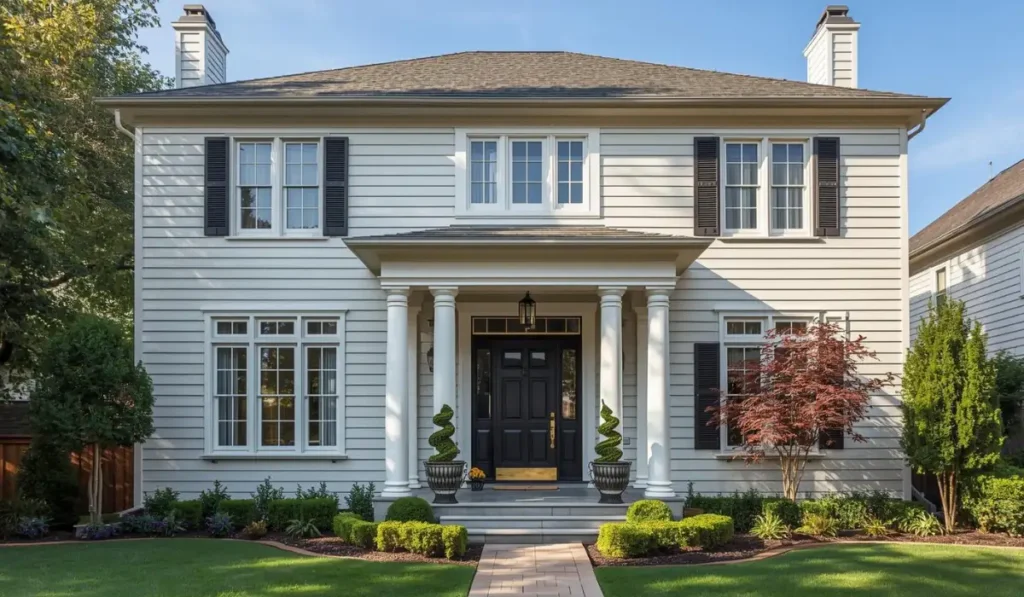
Dallas Exterior Painting Temperature Guide
The recommended exterior painting temperature range stays between 50° and 85°F. Extreme heat causes paint to dry too fast and creates visible lap marks. Painting in cold weather prevents the latex particles from fusing into a solid. Always check the surface temperature of your siding before you start the work.
Humidity Impact on Paint Drying and Adhesion
High humidity slows down the evaporation of water from the paint film. This delay affects the drying conditions and can weaken the final paint bond. Surfaces must stay dry to ensure the resin adheres to the siding correctly. Aim for humidity levels below 70 % for the most reliable painting results.
Dew Point and Surface Temperature Rules
Perform dew point checks before you start painting outside in the early morning. Ensure the surface temperature remains at least five degrees above the dew point. This rule prevents morning condensation from forming on your fresh and wet paint. Following this step stops surfactant leaching and oily streaks on your home’s exterior.
Painting Before or After Rain in Dallas
Wait for a minimum of four rain-free hours after you apply the paint. The rain resistance window varies depending on the specific brand of paint used. Allow surfaces to dry for at least 24 hours after a heavy rainstorm. Moisture inside the wood siding will push the new paint off the surface.
Best Time of Year and Time of Day for Exterior Painting in Dallas
The timing of your project impacts the ease of application and final look. Different seasons offer various advantages and risks for homeowners in the DFW area.
Spring vs Fall Exterior Painting in Dallas
Spring and fall offer the most stable weather windows for large painting projects. These seasons provide moderate temperatures that allow the paint to dry at a steady rate. Watch for sudden spring thunderstorms that can disrupt your planned painting schedule easily. Fall remains the most popular time for exterior updates among local Dallas homeowners.
Dallas Summer Afternoon Heat Timing
Do not paint when the sun is very hot in the afternoon. Try to work in the shade or start early in the morning to stay cool. Hot weather can make the paint bubble before it dries. Keep your paint cans in a cool place to keep the paint just right.
Planning Around Dallas Thunderstorms
Plan a thunderstorm buffer of at least one full day before and after rain. Check the National Weather Service for the most accurate local weather updates available. The Fort Worth-Dallas Weather Forecast Office provides detailed data on local storm tracks. Avoid foggy weather as the high moisture content ruins the paint’s final sheen.
Final Thoughts
Here we talked about how important it is to prepare the surface and pick the right time to paint. You learned how to choose primers and use caulk for a long-lasting finish. Following this checklist will help keep your home safe from the tough Texas weather. Texas Pro Remodeling is dedicated to providing excellent results for homeowners in the area. Our skilled team uses effective techniques to ensure your property looks great and maintains its value. Reach out to us for your Dallas home exterior painting today.
Frequently Asked Questions
How long should exterior surfaces stay dry before painting?
Surfaces need to be dry for at least 24 hours after it rains. If moisture is stuck in the siding, the paint won’t stick well.
Can you paint a house exterior before it rains in Dallas?
Do not paint if it might rain in the next 4 to 6 hours. The paint needs time to dry and protect against water.
What primer should I use on chalky exterior paint?
Use a good acrylic bonding primer to seal the chalky residue on the siding. This helps the new topcoat stick better.
Should you caulk before priming or after priming?
Always paint bare wood surfaces before putting on any exterior caulk. Caulk sticks better to painted wood than to bare wood.
How do Dallas heat and humidity affect exterior paint drying?
Hot weather makes paint dry quickly, while humid weather makes it dry slowly. Both can cause problems with the paint and lead to peeling later.
What should Dallas homeowners check before exterior painting?
Look for peeling paint, broken wood, and bad caulk all around your home. Make sure the weather is clear with mild temperatures and low humidity.