To get the best return on a home remodel, focus on high-impact upgrades like kitchens, bathrooms, and energy-efficient improvements, which can deliver 100%+ ROI.
Investing in your home remodel budget wisely means focusing on upgrades that actually add value, protect ROI, and appeal to buyers in Dallas.
But you need the right reasons to remodel your home in Dallas ensures you spend on projects that matter most. It’s not about following every design trend or splurging on luxury finishes.
At Texas Pro Remodeling, we’ve seen homeowners overspend on looks while missing the projects that matter most for resale and long-term comfort.
This guide shows how to plan your remodel to balance budget, neighborhood constraints, and ROI. You’ll learn how to choose the right projects, avoid costly mistakes, track spending, and ensure quality work.
Key Takeaways
|
How Smart Home Investment Works for Home Remodeling Projects in Dallas
A smart remodel investment means spending money in ways that buyers recognize, inspectors respect, and the market rewards.
From my experience, value in Dallas homes is not driven by design trends. It comes from reducing risk, improving comfort, and matching neighborhood standards. That’s why we start by understanding how value is created and protected.
Spending blindly on cosmetics rarely helps. So, we guide homeowners using 3 clear spending principles. For intense-
1. Value Creation
Value creation means spending on projects that make your home more attractive and functional for future projects.
It improves your home’s market appeal or comfort. These upgrades help your home stand out in a competitive Dallas market without pushing it beyond its price range.
A homeowner in Frisco replaced some stuff instead of doing a full luxury kitchen remodel. Outdated: replace the kitchen cabinets, update the lighting, and refresh the countertops.
The home showed better, sold faster, and stayed within the neighborhood price band. Buyers clearly saw the upgrade and were willing to pay for it.
2. Value Protection
Value protection means fixing or upgrading items that could raise red flags during inspections or negotiations. It focuses on fixing issues that could affect your resale value later.
Even cosmetic upgrades lose value if buyers worry about system issues or hidden problems. In Plano, we worked with a homeowner who chose to replace an aging HVAC system before listing.
The system was loud and inefficient. Buyers noticed it immediately in North Texas summers. After the upgrade, inspections proceeded smoothly, and the buyer didn’t request price reductions.
3. Loss Prevention
Loss prevention means avoiding upgrades that buyers won’t pay extra for. Wasting a budget hurts ROI more than skipping a fancy upgrade. A homeowner in McKinney considered custom tile patterns and high-end imported fixtures.
We advised against it because nearby homes were selling with basic, clean finishes.
They chose simpler materials and avoided overspending that would not have raised the sale price.
2 Primary Factors That Control ROI of Home Remodeling Projects in Dallas
In Dallas, remodeling ROI isn’t just about what you upgrade. It’s about why and how you do it. 2 core factors ultimately decide whether a project adds real value or just adds cost which-
1. Neighborhood Norms
They set a ceiling on the value buyers are willing to pay. No matter how nice your remodel is. This has a lot of impact on condo remodels. Because you need to keep in mind the rules and regulations, and so on.
Every street and area has a ceiling for what buyers will pay. Over-improving beyond the street standard rarely pays back in Dallas.
In Arlington, upgrading to luxury-grade finishes in a mid-range neighborhood did not increase appraisal value. Homes nearby set the price limit. Staying aligned with the neighborhood would have protected more of the remodel budget.
2. Time Horizon
The time horizon is important. The duration of your home’s stay affects what makes sense financially. The shorter your timeline, the more important buyer-recognized upgrades become.
A couple in Irving planned to sell in 4 years.
Instead of major layout changes, they focused on bathrooms, curb appeal, and HVAC efficiency. These upgrades were immediately valued by buyers. That makes the remodel more financially viable for their timeline.
Investing in energy-efficient systems, durable materials, and structural improvements quietly anchors your home’s perceived value. Buyers notice these more than luxury finishes or flashy décor.
How to Invest in Your Home Remodel?
I have seen that most remodel budgets fail in Dallas because homeowners act before they start thinking about home remodeling.
The order of decisions matters here. You need a clear spending direction before choosing projects or materials. The steps below show how to align your budget smartly with ROI:
Step 1: Choose Your Financial Goals and Time Horizon
Your financial goals and time horizon determine which upgrades give the best ROI and protect your Dallas home remodel budget.
So, you need to plan to resell soon or stay long-term. It helps you focus on projects buyers value. It also avoids spending on upgrades that won’t improve resale value.
Resale vs Long-Term Living
Before we ever talk paint colors, I ask every client one simple question: “Is this your forever home, or do you plan to sell in a few years?”
That answer changes everything. It explains why so many homeowners choose to renovate rather than move and helps them make smarter choices that protect their investment.
If you’re staying long-term, upgrades should focus on comfort, safety, and systems built to last. If you plan to sell in the next 3–5 years, the focus shifts to buyer-facing value kitchens, bathrooms, and curb appeal.
Once you know the goal, choosing the right projects and materials becomes a straightforward process. Aligning them with your full-home financing goals to make sure your budget remains realistic. With proven full-home remodeling financing tips in Dallas ensures your budget remains realistic while protecting your long-term equity.
ROI Timing in Dallas
ROI timing shows how soon your remodel investments pay off. It matters because it helps you to spend your Dallas home remodel budget wisely. You can focus on projects that protect value, appeal to buyers, and match your time in the home.
Not all investments pay off immediately. We use recovery windows instead of complicated math. This also helps homeowners decide to remodel or move. Here’s the timeframe for your targeted ROI:
| Time Horizon | Remodeling Focus | Best Upgrade Types | Why It Works |
| Short-Term (3–5 years) | Buyer-visible improvements | Minor kitchen updates, bathroom refreshes, and curb appeal | Delivers quick payback and protects ROI before selling |
| Mid-Term (6–10 years) | Comfort + resale balance | Energy upgrades, durable flooring, functional updates | Enjoy benefits now while preserving future value |
| Long-Term (10+ years) | Longevity & system performance | HVAC, roofing, quality cabinetry, structural upgrades | Improves comfort, lowers future costs, and protects long-term value |
Step 2: Allocate Your Dallas Home Remodel Budget for Maximum Value
Allocating budget in your Dallas home remodel shows where it creates value and protects ROI. Focusing solely on cost can lead to unnecessary upgrades that buyers won’t pay for.
While smart allocation secures resale value and long-term home value.
Some parts of your home are invisible but critical to ROI. Here’s where I tell homeowners that every street and area has a ceiling for how much buyers will pay.
Over-improving beyond the street standard will eat into your Dallas home remodeling investments. Here are the upgrades that you should focus on:
- HVAC system: A well-functioning system keeps buyers comfortable and avoids inspection red flags.
- Insulation: Prevents energy loss and adds lasting comfort.
- Durable materials; Floors, cabinets and finishes that stand up to wear.
- Energy efficiency: Smart upgrades like energy-efficient windows or programmable thermostats are noticed by buyers.
Investing in energy-efficient windows, insulation or HVAC systems not only boosts ROI but can save homeowners $1,000–$1,500 per year in energy bills in Dallas hot summers.
Durable flooring and cabinetry reduce repair and replacement costs. They are also protecting your investment over decades. Spending on these future headaches and protecting cost recovery.
Where Money Stops Paying Back?
Some upgrades feel premium but don’t return value:
- Over-customization: Every person’s taste is different. That’s why personalized finishes rarely appeal to buyers.
- Luxury finishes beyond neighborhood norms: Spending on them rarely improves resale value or ROI. Buyers won’t pay extra for upgrades that exceed local expectations.
- Cosmetic upgrades: popcorn ceiling removal or flashy backsplashes often don’t increase resale.
- Novelty materials: Anything trendy that may look dated fast.
We call this loss prevention. Avoid it unless you love it for yourself.
Step 3: Understand the Dallas Market Scenario

To invest wisely in a home remodel, you must first understand the Dallas market. What buyers are willing to pay depends heavily on the neighborhood. When you understand local trends, you can allocate your remodel budget to areas that truly protect ROI and resale value.
Every Dallas neighborhood has a price ceiling. Spending beyond what the area supports rarely pays off. That’s why it’s important to look at:
- Local buyer expectations
- Price ranges by home type
- Current inventory and demand
For example, homes in Frisco with updated kitchens and bathrooms often sell 5–10% above nearby comps within about 60 days.
In Plano, mid-range homes with energy-efficient HVAC systems and refreshed interiors tend to appraise higher than similar homes without those upgrades.
You can spot these patterns by reviewing recent sales, comparing similar nearby homes, and tracking how long listings remain on the market. This approach helps you spend every dollar wisely and avoid costly over-improvements.
Step 4: Understanding Risk Awareness
When planning a remodel in Dallas, it’s important to be aware of risks that can quietly reduce your ROI and affect your home remodel budget.
Over-improving beyond neighborhood norms makes it hard to recover costs.
Ignoring HOA restrictions can lead to fines or delays. Foundation and soil issues, especially in areas with expansive clay, can lead to costly repairs later.
Being mindful of these risks ensures every dollar you spend protects resale value. It prevents surprises during inspections or sales, and supports long-term comfort. Knowing these challenges upfront helps you make smarter investment choices.
Step 5: Choose High-ROI Home Remodel Projects in Dallas and Avoid Silent Losers
The projects you choose with high ROI determine how much of your remodel budget actually adds value. Spending on the right ones makes your home more attractive.
Here are home remodeling project ideas to add value to your home that buyers notice and appreciate in the Dallas:
Minor Kitchen Upgrades
Updating cabinet hardware, repainting or refreshing countertops gives your kitchen a modern look without overspending. In Dallas, buyers notice clean, functional kitchens and are willing to pay more for them, even if it’s not a full luxury remodel.
Bathroom Renovations
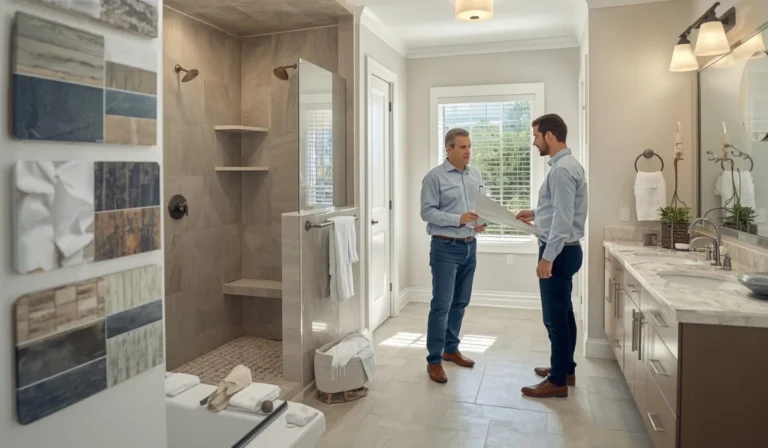
Clean, modern bathrooms with functional layouts and updated fixtures quickly attract buyers. In Dallas or Plano, a well-kept bathroom can be a deal-maker. Especially for homes priced in the mid-range neighborhoods.
Curb appeal
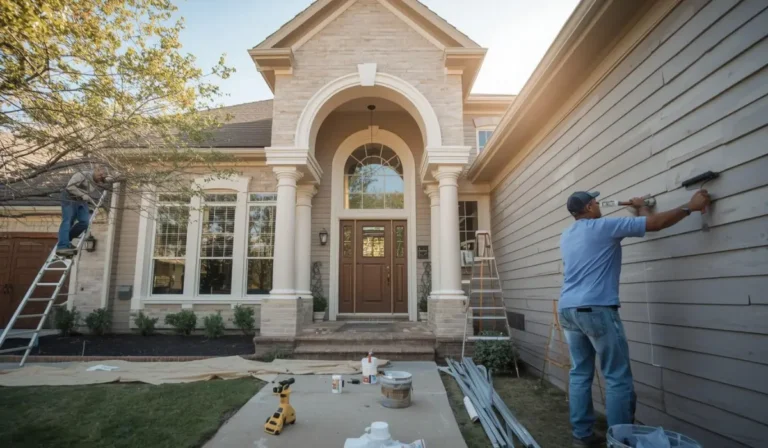
Landscaping, fresh exterior paint, and a well-kept lawn create a strong first impression. Dallas buyers often decide in the driveway whether a house feels cared for, which directly impacts offers.
Exterior Doors And Windows
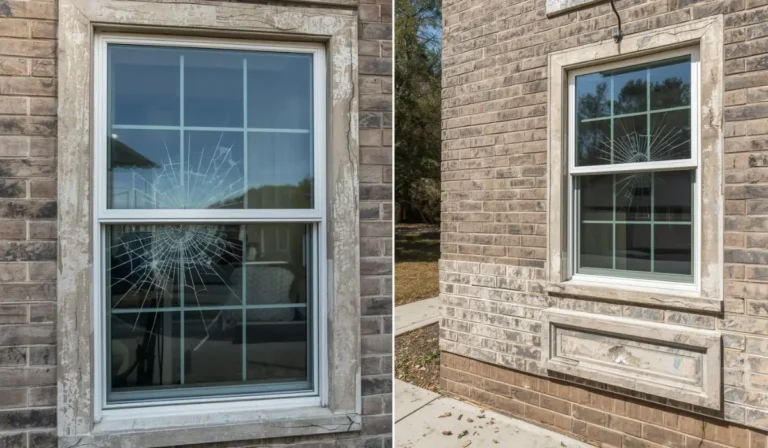
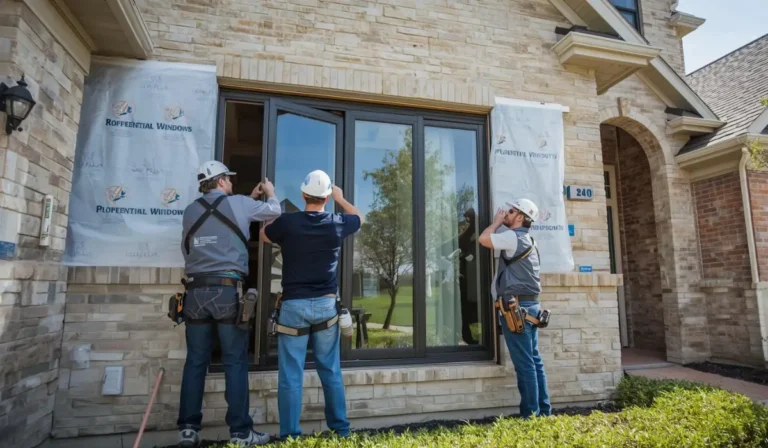
Energy-efficient, visually appealing doors and windows are noticed by buyers and inspectors. In hot North Texas summers, a quiet and efficient HVAC system paired with modern windows also reduces perceived risk and improves ROI.
To see how these high-ROI projects perform in real Dallas scenarios, take a look at the table below showing typical costs and the resale value they usually bring:
| Project Type | Average Spending | Approx ROI(%) |
| Minor Kitchen Upgrades | $5,000 – $12,000 | 60–80% |
| Bathroom Renovations | $7,000 – $15,000 | 60–75% |
| Curb Appeal Improvements | $2,000 – $8,000 | 70–85% |
| Exterior Doors & Windows | $5,000 – $12,000 | 65–80% |
Step 6: Budget Tracking & Decision Review
Budget tracking and reviewing decisions are not optional. Even smart projects can go over budget if there’s no system to track spending.
I have seen homeowners in Dallas often misallocate funds between systems, surfaces, and cosmetic upgrades.
To maintain budget tracking, financial clarity, control, and cost recovery, keep a running list of each project’s estimated vs. actual costs.
You should also review choices against neighborhood norms and recovery windows to ensure the budget stays aligned with ROI and home value.
Texas Pro Remodeling often reminds homeowners that consistent tracking prevents costly oversights and protects their investment.
Step 7: Ensure Quality Work
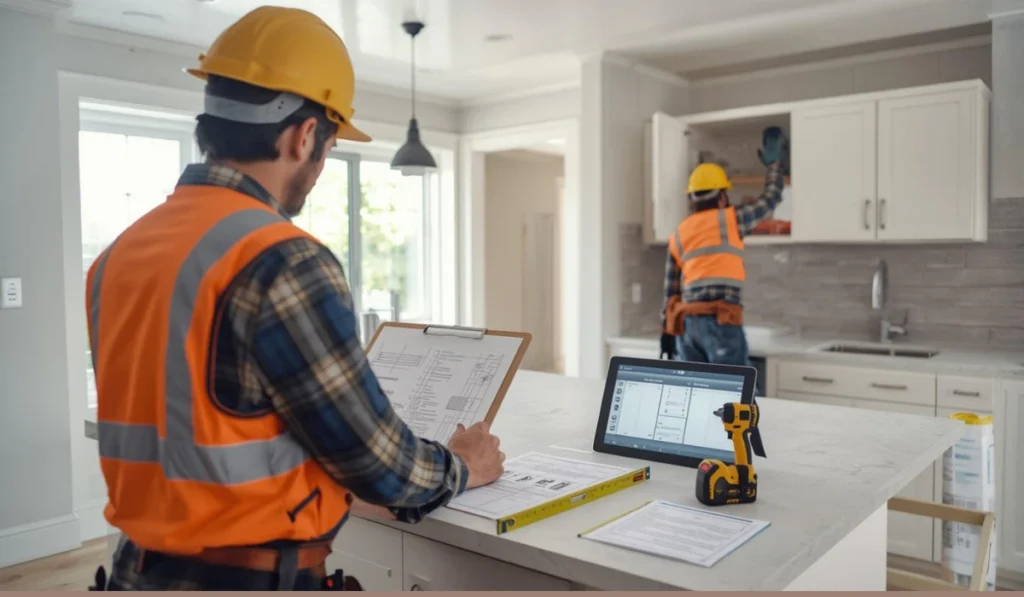
The quality of work and the right team you hire directly protect your home remodel budget, ROI, and resale value. Good decisions here prevent problems buyers notice and ensure your investment pays off.
Here’s where you need to invest your money to ensure quality work:
- Contractor execution
- System installations
- Permits and inspections
- Stop at the right quality level
Hiring the right team ensures every part of your remodel, from systems to finishes, is done well. This protects your investment, aligns with neighborhood norms and helps your home stand out to buyers without overspending.
Conclusion
Spending your home remodeling budget wisely isn’t about chasing trends. It’s about choosing upgrades that add real value, improve comfort, and protect your return on investment.
In Dallas, every decision matters, from picking projects that actually pay off to knowing your neighborhood’s price limits and how long you plan to stay in the home.
If you are confused and not feeling lost, then just call Texas Pro Remodeling. We’ve been working with so many remodel projects that we won’t miss a point.
Frequently asked questions
Is it smarter to remodel or move in Dallas?
That depends on your time horizon, neighborhood and home condition. Understanding whether to remodel or move in Dallas-Fort Worth helps you protect your budget and make the smartest investment for resale or long-term living
What’s the risk of ignoring HOA rules or permits?
Ignoring HOA restrictions or skipping permits can lead to fines, delays and buyer red flags, which can hurt resale and ROI.
Can poor contractor work reduce ROI even if I spend wisely?
Yes. Sloppy installations, code violations or unfinished systems can cancel out the value of high-ROI upgrades. Quality work is critical to protect your remodel budget
Is there a simple way to prioritize remodel projects?Start with high-ROI projects, then address risk areas (like systems and inspections) and finally add surface or aesthetic upgrades if the budget allows.