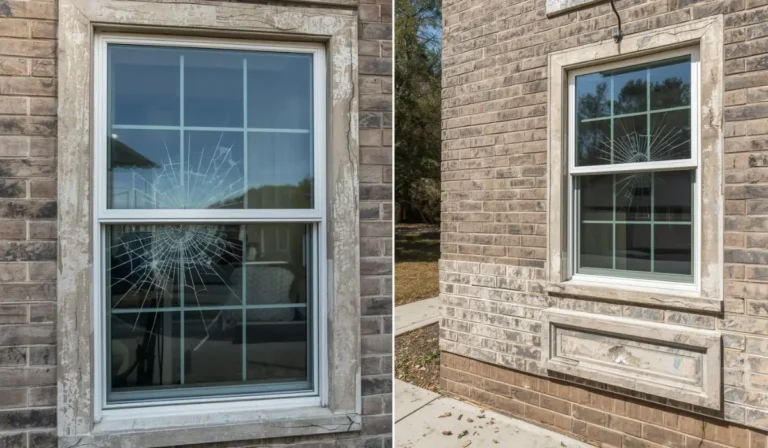

Water damage in the Dallas area can quickly disrupt your home due to burst pipes, roof leaks, or severe Texas storms. Fast action helps protect your family, property, and wallet. The professional water damage restoration process is a certified, five-step approach that prioritizes safety, prevents mold, and simplifies the insurance claim.
This guide walks you through every step, explains Texas-specific requirements like the TDLR mold license, and equips you to choose the right contractor, like Texas Pro Remodeling, for your restoration project.
Key Takeaways
|
Immediate Action Plan: 7 Steps Before Calling an IICRC Professional
Quick response keeps your home safe and protects your insurance claim. While certified Institute of Inspection, Cleaning and Restoration Certification (IICRC) experts handle the full restoration, you can take these seven steps to reduce water damage and increase recovery success.
- Prioritize Safety by Cutting Water and Power
Turn off the main water valve to stop the water flow. If safe, shut off power in affected areas to avoid hazards posed by submerged outlets or wiring.
- Stop the Source of the Water (If Possible)
If the water source is obvious and safe to reach, such as a leaking faucet, broken pipe, or appliance, try to stop it or isolate the area to reduce the spread.
- Document the Damage for Your Insurance Claim
Take detailed photos and videos of water-damaged areas, furniture, walls, and floors. Save this documentation in multiple places for easy access during the claim process.
- Move Belongings Out of Danger
Relocate furniture, electronics, and personal items from the affected area. Remove rugs, curtains, and cushions to prevent long-term moisture absorption.
- Absorb Surface Water
Use towels, mops, or a wet/dry vacuum to soak up standing water. This reduces the chance of mold growth and limits damage to flooring or baseboards.
- Increase Airflow and Ventilation
Open windows or doors to circulate fresh air. If it is safe to use electricity, turn on fans to help slow moisture buildup.
- Call Your Insurance Company
Start your insurance claim early. Notify your agent about the incident, share documentation, and ask about direct billing options. Some restoration companies can work directly with your insurance adjuster to simplify the process.
The Professional Water Damage Restoration Process (IICRC S500)
Certified professionals follow the IICRC S500 standard. It is a globally respected guide that outlines how safe and effective water damage restoration works. This process includes five core steps to restore your Dallas home.
Step 1: Emergency Inspection and Water Category Classification
The first task is a complete inspection of your home. Texas Pro Remodeling, a restoration expert, identifies the source of the water, checks for structural damage, and classifies the water category.
| Category | Water Type | Brief Description |
| Category 1 | Clean Water | From broken pipes or a leaking supply line, safe to handle with basic precautions. |
| Category 2 | Gray Water | Contains mild contaminants from appliances or bathrooms; requires careful removal. |
| Category 3 | Black Water | Comes from sewage backups, floodwater, or storm surges; highly contaminated and requires full protective gear and material removal. |
Water category influences the level of protection, cleanup method, and disposal protocol.
Step 2: Rapid Water Extraction and Removal
Next, industrial-grade pumps and vacuums remove standing water. This stage prevents permanent damage to flooring, drywall, furniture, and subflooring. Fast extraction reduces the chances of mold and minimizes repair time.
Step 3: Structural Drying and Dehumidification
Even after extraction, moisture remains inside walls, floors, and ceilings. Experts bring in commercial-grade dehumidifiers and air movers to remove hidden moisture from the structure.
High-speed air circulation evaporates water molecules while the equipment captures vapor. This stage lasts about 72 hours for most homes. It depends on the size of the affected area and the severity of the water intrusion.
Step 4: Cleaning, Sanitization, and Mold Prevention
Once dry, technicians sanitize surfaces with antimicrobial solutions to reduce mold spores and bacteria. They inspect areas behind walls, inside vents, and along baseboards to confirm complete cleanliness.
HVAC systems receive special attention, since moisture can collect in ductwork. Certified mold prevention reduces risks of indoor contamination and future health concerns.
Step 5: Final Repairs and Restoration
Finally, your property receives repairs to complete the restoration. This may include reinstalling drywall, replacing carpets or flooring, repainting walls, or even structural repairs. Professionals help match paint, texture, and materials to make your home look and feel like before.
Navigating Costs: What Determines Your Water Damage Quote
Understanding your restoration quote helps avoid surprises. In the Dallas area, the price depends on several variables:
- Damage class,
- Water category,
- Total square footage,
- Labor time, and
- Materials needed.
Cost Variables: Class of Damage vs. Category of Water
Even if damage covers a small area, a Category 3 (black water) incident often costs more due to the extra safety and containment work required. Protective suits, full material removal, and disposal add to the price.
Clean water issues, even when larger, involve lower safety risk and fewer steps, usually resulting in a lower quote. An expert like Texas Pro Remodeling will explain how the water category affects the total breakdown.
Understanding and Comparing Multiple Restoration Quotes
When comparing quotes, look for the following details:
- Estimated labor hours
- Equipment type and rental time
- Full mold remediation plan
- Disposal and material replacement
- Payment terms or direct billing options.
Quotes with clear transparency help you see where your investment goes and make sure you receive high-value service.
How to Choose a Licensed Dallas Restoration Contractor
In Texas, choosing a qualified restoration company involves more than checking online reviews. You should check certifications, experience, and Texas-specific licenses.
- The Texas Mold Assessor and Remediator License (TDLR) Requirement
In Texas, mold remediation over 25 square feet requires a professional with a TDLR mold remediation license. State law requires separation between the Mold Assessment Consultant (MAC), who identifies the issue, and the Mold Remediation Contractor (MRC), who performs the work. This rule protects you from conflicts of interest and keeps the process fair and safe.
- IICRC Certification and Insurance Claim Experience
Look for contractors with IICRC certification. This guarantees training in safety, equipment, drying methods, and water classification. Choose a company that handles the insurance claim directly with your adjuster to simplify the process and help ensure that you receive full coverage.
Final Thoughts: Your Path to a Safe and Restored Dallas Home
The water damage restoration process offers a safe, certified path from emergency to full recovery. With fast action, proper documentation, and a trusted Dallas contractor, you protect your home from mold, reduce repair time, and ease the insurance claim.
Whether you face a minor water leak or major flood damage, the right team, like Texas Pro Remodeling, helps restore your peace of mind as well as your property. Ready for emergency service in Dallas-Fort Worth? Reach out today for rapid response and expert restoration.
FAQs
How long does the restoration process take in total?
The professional water damage restoration process typically takes 3 to 5 days for drying and an additional 1 to 2 weeks for final repairs and restoration.
What is the difference between remediation and restoration?
Remediation removes hazards like mold and water, while restoration involves rebuilding and repairing the property back to its original condition.
Does homeowners’ insurance cover mold damage in Texas?
Insurance often covers mold only if it resulted from a covered event, such as a burst pipe, but may exclude damage from deferred maintenance.
Why do I need two separate companies for large mold jobs in Texas?
Texas state law (TDLR license) generally requires an independent Mold Assessment Consultant and a separate Mold Remediation Contractor to prevent conflicts of interest on large mold projects.
What is Category 3 water damage, and why is it so costly?
Category 3, or black water, is highly contaminated from sources like sewage and requires complete removal of all porous materials, which increases the cost of restoration.