


You might wonder why you need metal troughs hanging off your roof. Can’t the rain just fall to the ground? In North Texas, a functioning rainwater drainage system does much more than keep your head dry. It is the first line of defense for your biggest investment.
At Texas Pro Remodeling, we know that DFW gutter installation is actually about foundation protection. Our soil shifts aggressively between droughts and floods. A good gutter system controls that moisture, preventing costly structural damage. Gutters fall into the roofing basics for DFW homeowners, but understanding how water leaves your roof lets you get ahead of the drainage system problems.
Key Takeaways
|
Gutter Anatomy & How It Works
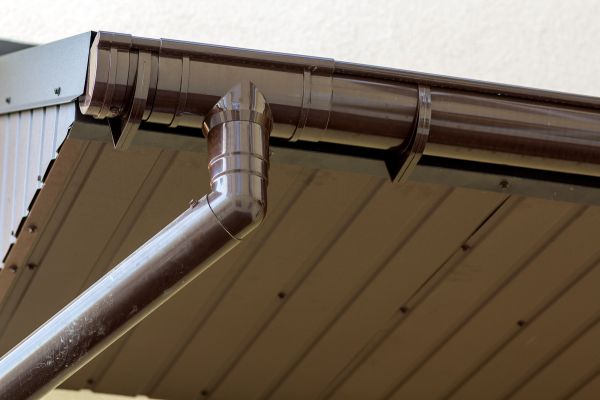
Understanding the parts helps you spot issues early. Here is a simple breakdown of the system:
- Gutters: The horizontal channels that capture rainwater runoff.
- End Caps: These close off the ends of the gutter runs.
- Hangers: Hidden brackets that hold the gutter to the fascia. Strong gutter hangers and brackets are vital for heavy Texas storms.
- Downspouts: The vertical pipes that carry water down. Proper downspout placement is crucial for effective drainage.
- Elbows: The bent pieces that direct the flow around corners.
Experts like Texas Pro Remodeling make sure each of the sections works perfectly during a roof inspection. The problem starts when one or more of the sections aren’t functioning properly.
The Exit Strategy:
The most important part is where the water ends up. You must ensure the downspout discharge distance is sufficient. You can use splash blocks or flexible tubes. For the best result, many DFW homeowners choose a French drain tie-in to downspouts to send water all the way to the street.
The Core Purpose: Protecting the “Texas Slab”
If you live in Dallas, Fort Worth, or Plano, you likely have a slab-on-grade foundation sitting on expansive clay soil. This soil acts like a sponge. It swells when wet and shrinks when dry. This movement is the enemy of your home. The purpose of gutters on a house is to not let that clay soil from getting wet.
Controlling Soil Moisture
The main purpose of rain gutters is to move water away from the foundation. When rainwater dumps directly from the roof edge to the ground, it digs a trench. This creates soil washout and exposes your foundation beams.
When water pools against your slab, it creates hydrostatic pressure. This forces water through tiny cracks in the concrete. By using downspout extensions, we guide that water 4 to 6 feet away. This keeps the moisture levels around your home stable and helps prevent foundation settling.
Pro Tip:
Many homeowners use soaker hoses to water their foundation during the summer. A gutter system helps you control this process rather than letting a storm flood one specific spot.
Secondary Purpose: Protecting the House “Skin”
Your roof works hard to shed water, but once that water leaves the shingles, it can attack the rest of your exterior.
Saving Your Siding and Brick
Without gutters, rainwater splashes dirt and mud up against your house. Over time, this causes siding splashback, which leads to rot, mold, and mildew. On brick homes, this constant splashing creates unsightly mineral deposits and can reduce water stains on brick.
Fascia and Soffit Health
The fascia board is the wood trim right under your roof line. If water curls back under the shingles, it rots this board. A properly installed drip edge works with your gutters to reduce fascia moisture damage.
This also helps keep soffits dry. Your soffits provide air intake for your attic. You need roof vents to keep these intake areas dry and ensure your attic breathes correctly.
Moisture can enter your attic through the eaves. The damage starts silently, but soon you’ll notice the structural decay. A properly installed roof affects the utility bills by saving on this “extra” expense.
The “North Texas” Upgrade (5-Inch vs. 6-Inch)
In many parts of the country, a 5-inch gutter is standard. In North Texas, I recommend upgrading.
Why choose 6-inch gutters?
Our storms are intense. We often get 2 or 3 inches of rain in an hour. Smaller gutters cannot handle this volume, leading to gutter overflow during storms. A 6-inch gutter holds 40% more water.
Seamless is Superior. I always recommend seamless gutter benefits. Traditional sectional gutters have seams every 10 feet. In the Texas heat, these expand and contract, eventually leaking. Seamless gutters are custom-made on-site to fit your home perfectly. It reduces the chance of gutter seams leaking.
Maintenance: Fighting the Oak Tassels
DFW has a unique enemy: The Live Oak tree. In the spring, these trees drop millions of tassels or stringy seeds. These mat down and form a solid plug in your downspouts. This is why a strict gutter cleaning schedule is vital. We suggest cleaning in late spring (after the tassels fall) and late autumn (after the leaves fall).
Gutter Guard Options
If you want to avoid climbing ladders, look into micro-mesh gutter guards. These are excellent at blocking those tiny oak tassels while still letting water through. They prevent clogged gutter symptoms like water pouring over the sides.
If you suspect your system is already failing, you need to spot the early warning signs of roof leaks. Clogged gutters can push water backward under your shingles.
Final Thoughts
The purpose of gutters on a house is simple: they control chaos. They protect your landscaping, keep your siding clean, and most importantly, stabilize your foundation against the volatile Texas soil.A working gutter system is a smart investment that can increase home value and help you pass inspection when it’s time to sell. If you see granules in the downspouts or water spilling over, you might already have interior damage. To prevent damage, get regular maintenance of your roof from experts like Texas Pro Remodeling.
Frequently Asked Questions (FAQs)
I hear these questions often from neighbors in Arlington, Frisco, and Irving. Here are the honest answers.
- Are gutters really necessary in Texas?
Yes. Even if we have long dry spells, the heavy rain drainage we get during spring storms is massive. Without gutters, that sudden volume of water shocks the soil and damages the foundation.
- Do I need gutters if I have large roof overhangs?
Some people think a 12-inch overhang throws water far enough away. In reality, wind-driven rain pushes water back toward the house. Even with wide eaves, the water still lands too close to the slab, causing crawlspace moisture or slab issues.
- Can I just put gutters on the front of the house?
Partial gutters often cause “differential settlement.” This means one side of your house stays dry while the other gets soaked. This imbalance can snap a slab foundation in half. It is safer to treat the entire perimeter.
- Is a quote of $5 to $10 per linear foot normal?
Gutter cost per linear foot varies by material. Aluminum is the most common and affordable. Copper is beautiful but costs much more. For a standard seamless gutter installation, prices are competitive. Remember, a cheap repair now is better than a $20,000 foundation fix later.
- Why is there standing water in my gutters after the rain stops?
This usually means your gutter slope and pitch are incorrect. Gutters need a slight angle to drain properly. If they are too flat or sagging, water pools, which causes rust and mosquito breeding. You likely need to adjust the gutter hangers and brackets to get the water moving again.