
You already noticed how stylish and durable vinyl plank floors (LVP) can be. These are popular in Dallas, Fort Worth, Plano, and Frisco for their aesthetics and affordability. Improper cleaning can leave your floors with streaks, scratches, seam swelling, or a dull finish.
Many homeowners experience uneven shine from using the wrong cleaners or too much water, a common flooring problem in Dallas.
That’s where professional guidance can help. Our team at Texas Pro Remodeling works with homeowners across the Dallas and neighbourhoods to protect and maintain their vinyl plank floors.
As a home remodeling expert, I am here to guide you on common cleaning mistakes that damage your vinyl plank floors, how to avoid them, and simple routines to keep your LVP spotless.
|
Key takeaways:
|
Mistakes Everyone Makes When Cleaning Their Vinyl Plank Floors
Below, I break down common vinyl plank floor cleaning mistakes into major and minor categories, with clear causes, fixes, and prevention tips for each.
Top 3 Major Cleaning Mistakes That Put Vinyl Plank Floors at High Risk
Some cleaning habits cause serious damage to vinyl plank floors (LVP). These mistakes often damage the floor’s finish or structure. If repeated, they can shorten the flooring’s usable life by years.
Below are the most damaging mistakes we see in Dallas homes and how to fix and avoid them:
Using Harsh or Wrong Cleaners
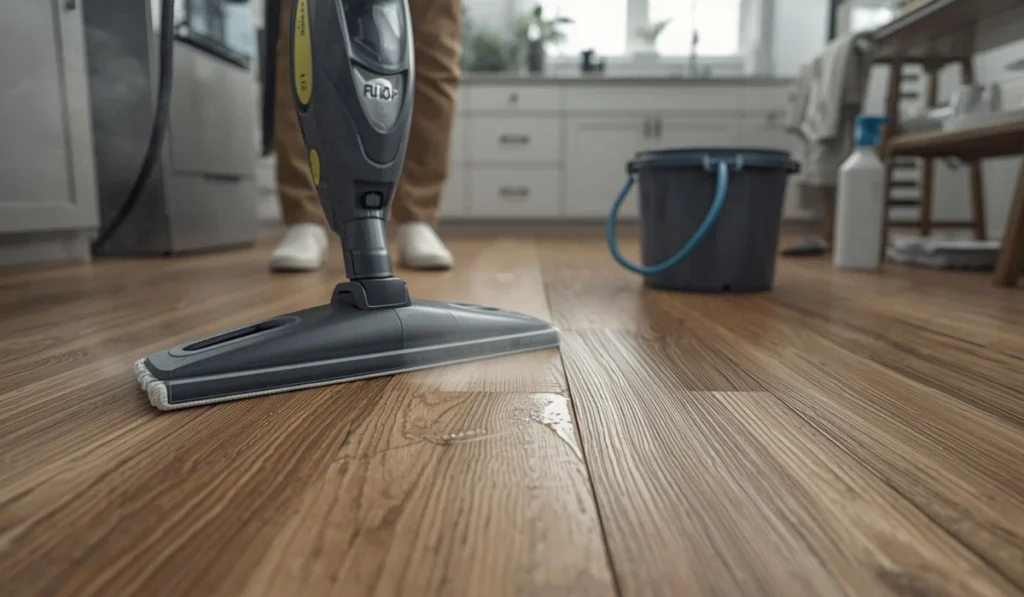
This is one of the most common problems we see. Many people reach for bleach, ammonia, oil-based cleaners, or multi-surface floor products. They feel strong, so people assume they clean better. In reality, these products are too harsh for vinyl plank flooring. Around 60 to 70 percent of homeowners use the wrong cleaner at least once.
The floor may lose its shine. Some areas look dull while others look patchy. Over time, the protective wear layer breaks down and the floor stains more easily. Repeated use can reduce the lifespan of LVP by 20 to 30 percent.
How to fix it:
Stop using harsh cleaners right away. Lightly rinse the floor with a clean and damp microfiber mop to remove residue. Switch to a pH-neutral cleaner, mild dish soap or diluted vinegar for routine cleaning.
How to avoid it:
Always check the manufacturer’s cleaning guidelines. Use products labeled safe for vinyl plank floors.
Pro tip:
If a cleaner leaves extra shine behind, it usually means residue is left on the floor. That residue attracts dirt and causes streaks.
If you want professional guidance on safe products and techniques then knock us. Wr offers advice for maintaining LVP durability while avoiding costly vinyl plank flooring problems.
Overusing Water While Mopping
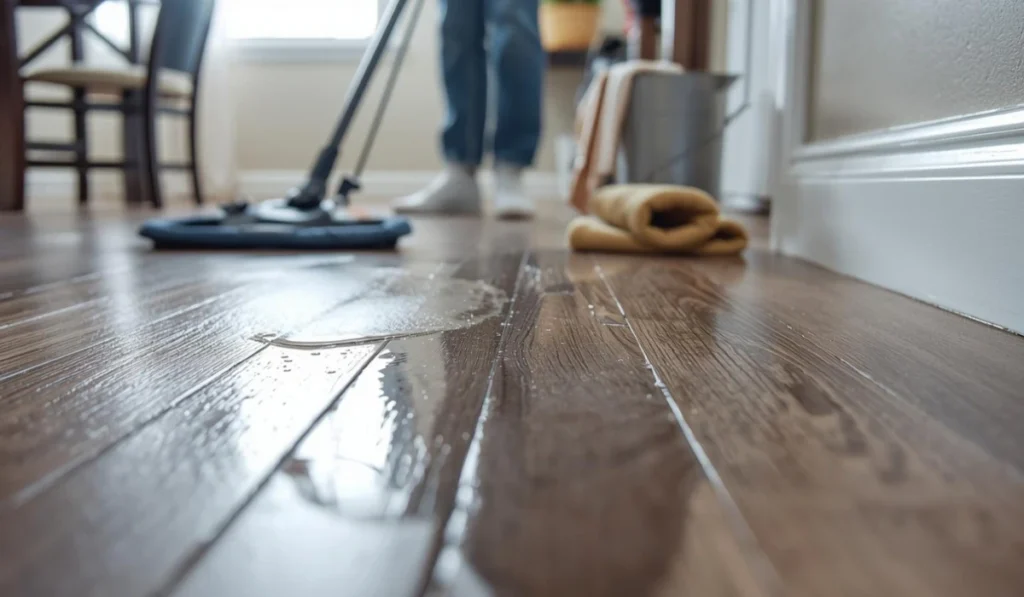
Water damage is a major issue in humid Dallas homes. It is extremely common. We’ve seen this issue in over 70 percent of damaged LVP cases. This usually happens when the mop is too wet. Some homeowners pour water directly on the vinyl plank floor or let water sit too long after cleaning. In Dallas homes, this mistake is very common.
Water slowly slips into the seams of the planks. Over time, this causes seam swelling and edge lifting. Moisture can also get trapped under the planks, which makes the damage worse. Repeated water exposure can shorten the life of your LVP flooring by 25 to 40 percent, especially in humid Dallas–Fort Worth weather.
How to fix it:
Dry the floor right away. Use fans or increase airflow in the room. Keep an eye on the seams so you can catch swelling early.
How to avoid it:
Always use a damp mop, not a wet one. Wring out microfiber mops until they feel almost dry before cleaning.
Pro tip:
If water drips or squeezes out when you press the mop, it means the mop is too wet for vinyl plank floors.
If water has already caused your floor seam swelling or edge lifting, we can help assess whether your planks need repair or replacement to avoid flooring regrets.
Using Steam Mops on Vinyl Plank Floors
A steam mop uses heat and moisture, which can push water deep into seams and affect the right kind of sheen on the floor, making some areas appear dull or uneven Many homeowners buy them because ads say they clean better. For vinyl plank floors (LVP), they often do more harm than good.
This mistake is becoming more common. Many homeowners try steam mops without knowing the risks. In humid Dallas weather, steam damage can reduce the life of LVP by 30 to 50 percent in affected areas.
A steam mop uses heat and moisture. That steam pushes water deep into the seams of vinyl plank flooring. The heat can also weaken the adhesive that holds the planks in place. Planks can start to warp or curl at the edges. Seams may lift over time. In many cases, using a steam mop also voids the manufacturer warranty.
How to fix it:
Stop using the steam mop right away. Let the floor dry completely. Use fans or air circulation if needed. Watch for lifting edges or soft spots.
How to avoid it:
Do not use a steam mop unless your flooring manufacturer clearly says it is safe for vinyl plank floors.
Pro tip:
Most vinyl flooring warranties clearly state that steam mop damage is not covered, even if the floor looks fine at first.
If your flooring has experienced warping from steam mops, we can help you with repairs and help to restore your floor safely.
Top 4 Minor Cleaning Mistakes That Cause Damage Over Time
These mistakes may not ruin floors overnight. But over time, they cause scratches, dullness and early wear on vinyl plank flooring.
Using Abrasive Tools or Scrubbers
This mistake usually happens during quick spot cleaning. This is very common, especially in kitchens and entryways where spills happen often. Repeated scratching can reduce the life of vinyl plank flooring by 10 to 15 percent.
People grab the nearest scrubber such as steel wool, magic erasers, rough scrub pads or stiff brushes when something sticks to the floor. These tools feel effective but they are too rough for LVP. They create micro-scratches on the surface. Over time, the smooth finish wears down. The floor starts to look dull, even after cleaning.
How to fix it:
Stop using abrasive tools right away. Use a microfiber mop or a soft cloth. Clean gently and move in one direction.
How to avoid it:
Never scrub LVP floors aggressively. Always choose non-abrasive cleaning tools made for vinyl flooring.
Improper Use of Swiffer or Spray Mops
Swiffer and spray mops are popular in Dallas homes because they save time.This is very common, especially in busy households with kids or pets. Many homeowners use these mops several times a week. The main issue is using too much cleaning solution or not changing dirty pads often enough. Some refill liquids also contain wax or leave residue.
Over time, a sticky residue builds up on the surface. This causes streaks, dull spots and uneven shine. The floor may look dirty even after cleaning. This damage is mostly cosmetic. But if residue stays on the floor, it traps dirt and grit. That can reduce the lifespan of vinyl plank flooring by 5 to 10 percent.
How to fix it:
Lightly rinse the floor with a damp microfiber mop to remove residue. Replace cleaning pads regularly to prevent dirt from spreading across the floor.
How to avoid it:
Use only a small amount of the solution. Avoid wax-based refill products. Choose cleaners labeled safe for vinyl plank floors.
Ignoring High Traffic Areas
Most damage to vinyl plank floors (LVP) occurs near doors, hallways, and high-traffic areas. You may notice small scratches, dull spots, or worn finish near doors, entryways and under chairs.
Over time, dirt and grit scratch the surface, making these areas look old even if the rest of the floor is fine. High traffic, furniture movement or moisture can also create floor gaps and cups that shorten the lifespan of your LVP. Also, high foot traffic adds pressure on the floor, wearing down the finish faster.
Over time, dirt and grit scratch the surface, making these areas look old even if the rest of the floor is fine.
If left unprotected, it can reduce the lifespan of your LVP by about 10 to 20 percent in those zones.
How to fix it:
Place walk-off mats at doors and in high-traffic areas. Use felt pads under chairs and furniture. Clean up dirt or grit daily with a microfiber mop or soft broom.
How to avoid it:
Make it a habit to protect entrances, hallways and areas where people and pets move the most.
We recommend protective solutions, such as recommended rugs or furniture pads, that match your home style and help prevent wear.
Delaying Pet Accident Cleanup
Pet accidents happen fast, especially with dogs or cats. If you don’t act quickly, small spills can turn into stains or odors that ruin your vinyl plank floors (LVP). Possible causes are pet urine, stool, water or other spills left on the floor.
The spill can stain the floor, leave an odor, and damage seams or the wear layer. Using harsh or the wrong cleaners makes it even worse. These types of damage are usually local, but it can reduce the life of the affected area by 5 to 15 percent if not fixed quickly.
How to fix it:
Clean the accident immediately. Use a pet-safe enzyme cleaner to remove stains and odors. Wipe the area dry completely.
How to avoid it:
Check floors often for pet messes. Spot clean accidents as soon as they happen.
Pro tip:
Enzyme cleaners safely break down odors without harming the protective finish of your vinyl plank flooring.
Maintaining & Safe Cleaning Routines for Vinyl Plank Floors in Dallas Homes
Keeping your vinyl plank floors (LVP) clean in your home is easier when you follow simple, regular steps. The key is to protect the wear layer, avoid excess water, and tackle spills quickly. Here’s how we recommend approaching daily, weekly, and special cleaning tasks.
Daily & Weekly Cleaning Checklist
Keeping your LVP floors clean doesn’t need to be complicated. A simple daily and weekly routine can prevent most damage and keep your floors looking new:
- Start by sweeping or vacuuming in hard-floor mode with the beater bar off. This removes grit that can scratch your floor. Sweep daily if your home is a high traffic area.
- Use a damp microfiber mop with a pH-neutral cleaner 2–3 times a week to prevent streaks, seam swelling and damage to vinyl plank floors in Dallas homes.”
- Spot clean spills immediately and sweep daily, especially pet accidents or sticky messes. Quick action protects the wear layer and prevents stains.
Pro tip: Frequent light cleaning is better than occasional heavy cleaning. Standing water can cause seam swelling and edge lifting, especially in humid Dallas weather.
Extending the Life of Your Vinyl Floors
High-traffic areas need a little extra care. The right protections and routines help your floors last longer:
- Use felt pads, caster cups and area rugs to prevent scratches.
- Humidity in Dallas makes floors more sensitive to water. So follow a cleaning routine that matches your home’s conditions.
- Always use manufacturer-approved products to protect the LVP wear layer.
Small steps like these can prevent scratches and humidity-related damage, keeping your vinyl plank floors durable for years.
If your home has older LVP or recurring seam issues, we can provide professional LVP installation or replacement. It can make cleaning easier and protect the wear layer while also fixing uneven floors in old Houston homes.
Steps to Remove Stains from Luxury Vinyl Floors and Vinyl Floors
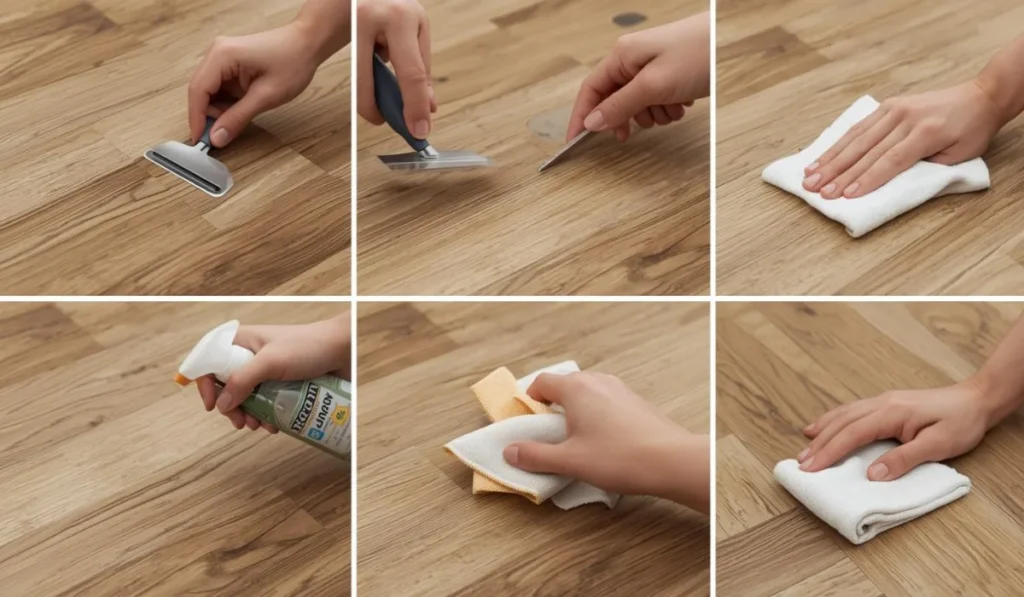
Tough stains like gum, ink, or grease need careful handling. Use safe DIY solutions or approved cleaners in steps. Always protect the wear layer while cleaning.
Step-by-step visual guide:
Gently scrape stuck-on material → Apply safe cleaner → Blot with microfiber cloth → Rinse → dry completely → Inspect for residue
Pro tip: Test any cleaner on a small hidden area first. This prevents discoloration and keeps your Dallas LVP looking new.
If spills or stains have caused deeper damage to your LVP, we are here to provide professional floor assessment or partial replacement. It can restore durability without risking further wear.
Tools That Help Clean Vinyl and LVP Clean Better
The right tools make cleaning easier and safer. Choosing carefully prevents scratches and streaks. Here I have included a chart that shows the cpmarion of different cleaning tools:
| Tools | Pros | Cons | Best Uses |
| Microfiber Mop | Lifts dirt efficiently and prevents scratches | Needs rinsing after heavy use | Daily/weekly cleaning |
| Spray Mop | Convenient and lightweight | Small water reservoir | Light cleaning |
| Spin Mop | Handles spills well | Bulky and needs storage | Deep cleaning |
| Swiffer | Easy and disposable | May leave streaks | Quick touch-ups |
| Soft Broom | Gentle on floor and reusable | Manual effort | Dry debris removal |
Keeping your vinyl plank floors (LVP) looking like new isn’t just about tools. It’s also about smart and safe cleaning habits:
- Use mild dish soap with warm water, diluted vinegar(1/4 cup per gallon of water) or mild DIY cleaners as eco friendly cl. They are safe for the wear layer and reduce exposure to harsh chemicals.
- Avoid bleach or ammonia. Instead, use pet and kid-friendly products. These protect floors in high-traffic areas, also.
- Use technology-assisted cleaning like smart vacuums and rinse-free systems. It helps to lift dirt efficiently without scratching your LVP.
- To remove haze, mop marks, or scuffs, avoid harsh chemicals.
- Use a plastic scraper, melamine sponge or diluted alcohol for tough spots.
- For disinfection, choose safe products that leave no residue and emit no harmful VOCs. This keeps your floors clean and prevents long-term damage to the vinyl plank surface.
- During humid Dallas summers, increase cleaning to prevent seam swelling.
These small adjustments make a big difference in your Dallas home, especially during humid summers or in busy households. Using safe, smart, and eco-friendly methods keeps your floors looking new and extends their lifespan.
We are here to help you with planning major kitchen or bathroom upgrades, while choosing the right LVP upfront. We ensure proper installation and finishing for long-term ease of maintenance.
Conclusion & Next Steps
Keeping your vinyl plank floors (LVP) looking great in your Dallas home is easier than you think. Avoid harsh cleaners, too much water, and abrasive tools, and stick to a simple daily and weekly routine that suits your home’s traffic and Texas humidity.
Use products approved by the manufacturer to protect your floors and warranty. At Texas Pro Remodeling, we make sure your floors stay durable, safe, and beautiful. We even handle any repairs or replacements if needed.
Frequently asked questions
1. Is it safe to use a steam mop on vinyl plank flooring?
Steam mops can warp or delaminate planks. Avoid unless manufacturer-approved.
2. How do I remove scuff marks or haze from LVP?
Use a melamine sponge, microfiber mop or mild alcohol solution; avoid abrasive tools.
3. What cleaners should I avoid on LVP? Bleach, ammonia, oil-based products, and scouring powders can dull the finish or damage the wear layer.